

What does it look like to live a grateful life—not just during Thanksgiving, but on an ordinary Tuesday when life feels rushed, stressful, or disappointing?
Most of us want to be grateful. We know gratitude is good for us, and as Christians, we know giving thanks is woven throughout Scripture. Yet knowing we should be grateful and actually living with a grateful heart are two different things.
Gratitude is more than saying thank you when something good happens. It is a way of seeing and responding to life with God. Over time, the truths we believe and the practices we repeat can train our hearts to notice his goodness, remember his faithfulness, and give thanks in both joyful and difficult seasons.
A grateful life doesn’t happen by accident. It is cultivated.
What Does It Mean to Live a Grateful Life?
A grateful life is a life shaped by regularly recognizing God’s goodness, remembering his faithfulness, and responding with thanksgiving. Biblical gratitude isn’t dependent on having easy circumstances. It grows as we learn to notice God’s gifts, trust his character, and give thanks in the life we are living today.
Living gratefully doesn’t mean ignoring disappointment, denying pain, or pretending everything is good when it isn’t. Gratitude allows us to be honest about what is hard while keeping our hearts anchored in what is also true about God.
This is why gratitude is more than a feeling. Feelings change with our circumstances. A grateful life is formed as gratitude becomes both a perspective we embrace and a practice we repeat—a holy habit that draws our hearts closer to God.
These five truths give us a foundation for cultivating that kind of life.
5 Truths About Living A Grateful Life
Gratitude matters. It makes a difference every single day.
Thankfulness reminds us of the many blessings that come from God’s good presence in our lives. Embrace these truths for a grateful life.
1. Gratitude is an everyday grace.

Thanksgiving gives us a wonderful reminder to pause and count our blessings, but gratitude was never meant to be confined to a holiday.
Gratitude is an every day thing.
Paul writes:
“Whatever you do, in word or deed, do everything in the name of the Lord Jesus, giving thanks to God the Father through him” (Col. 3:17 ESV).
Whatever you do.
That takes gratitude out of the special moments and places it right in the middle of everyday life.
We can give thanks over a meal, during a conversation, on the way to work, or while folding laundry. We can notice the first cool morning of fall, the friend who checks in, an answered prayer, or the strength God provides for something difficult.
These moments may seem small, but noticing them changes the way we experience our days. Gratitude helps us recognize sacred moments tucked into everyday life—evidence of God’s goodness we can easily miss when we’re rushing on to the next thing.
The grateful soul is one that has learned to give thanks as naturally as breathing.
A grateful life begins by paying attention.
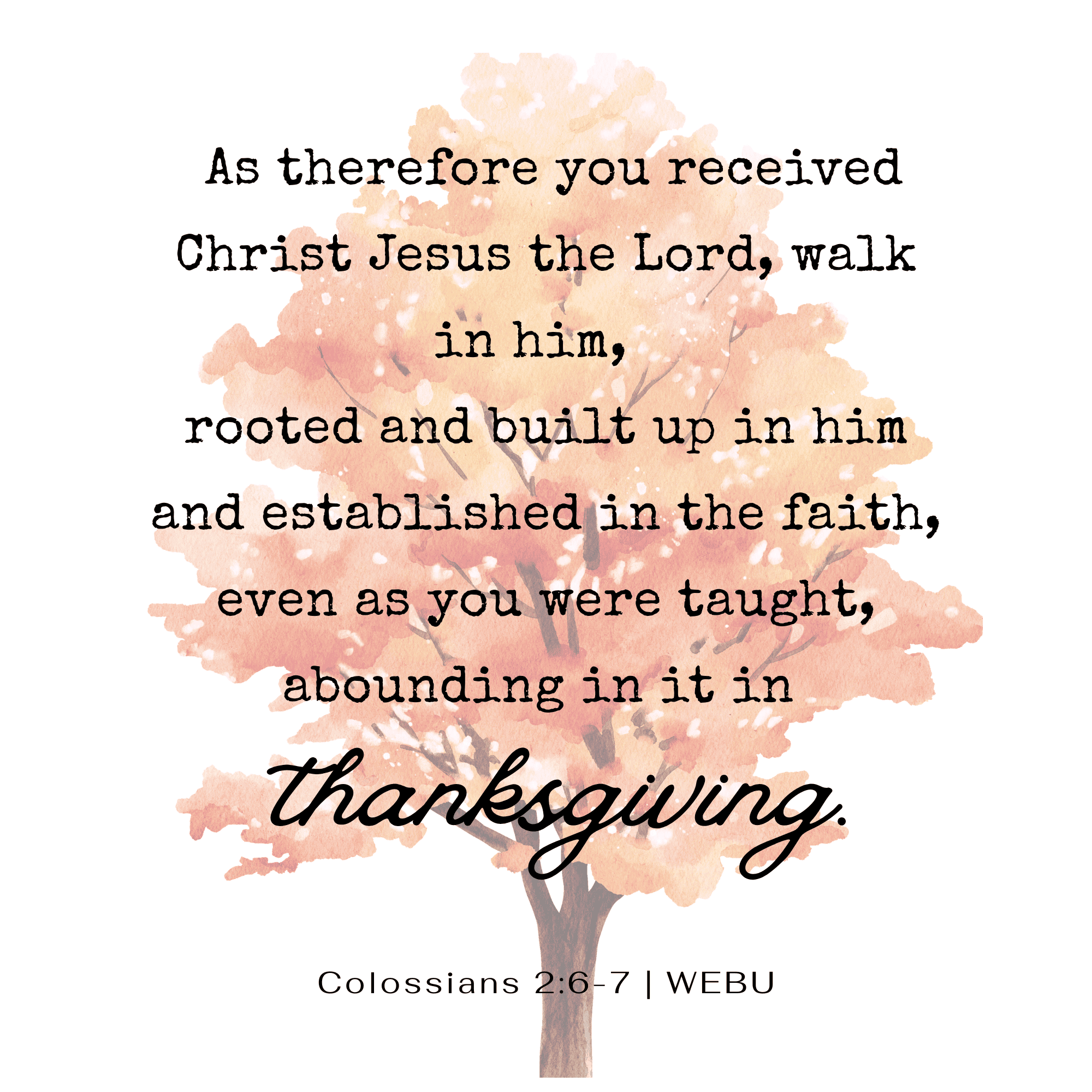
2. Gratitude is a choice.
Sometimes gratitude rises naturally. A prayer is answered. A loved one recovers. Something we’ve hoped for finally happens, and thankfulness spills out almost without effort.
Other days, gratitude requires intention.
We may wake up worried, irritated, tired, or focused on what isn’t going the way we hoped. In those moments, we can choose where we direct our attention.
Choosing gratitude doesn’t mean forcing ourselves to feel happy. It means intentionally remembering what is true and noticing what is good rather than allowing disappointment, fear, or frustration to have our full attention.
In difficult seasons, gratitude also helps us remember God’s past faithfulness. We look back at the ways he has provided, sustained, guided, and answered before. Remembering his faithful gifts of the past strengthens us to trust him with what we cannot yet see.
Scripture repeatedly calls us to give thanks. That language reminds us that gratitude is something we can practice, even when the feeling doesn’t come first.
The more often we choose to notice and remember God’s goodness, the more familiar gratitude becomes to our hearts.
3.Gratitude is a response to grace.

James reminds us:
“Every good gift and every perfect gift is from above, coming down from the Father of lights.” —James 1:17
Gratitude begins with recognizing that God is the giver.
We naturally enjoy the gifts—the people we love, provision for our needs, meaningful work, beauty, laughter, food, friendship, opportunities, and answered prayers. But gratitude invites us to look beyond the gift to the heart of the One who gives.
I love thinking of God’s gifts as windows that help us see his heart for us.
When we recognize something good in our lives, we can pause long enough to trace that gift back to God. The blessing then becomes more than something we enjoy. It becomes an opportunity for connection with him.
Gratitude is inseparable from love. As we recognize God’s gifts and remember the heart of the Giver, thanksgiving becomes one way we respond to his love with our own.
Biblical gratitude is relational. We aren’t simply grateful for things. We are grateful to God, and expressing gratitude is a simple, holy habit of loving God.
4. Gratitude opens the door to peace.
When our thoughts are spinning with worry, gratitude may be one of the last things that comes naturally.
On our best days and even on our worst, thankfulness matters.
Paul brings prayer and thanksgiving together in one of Scripture’s most familiar passages about anxiety:
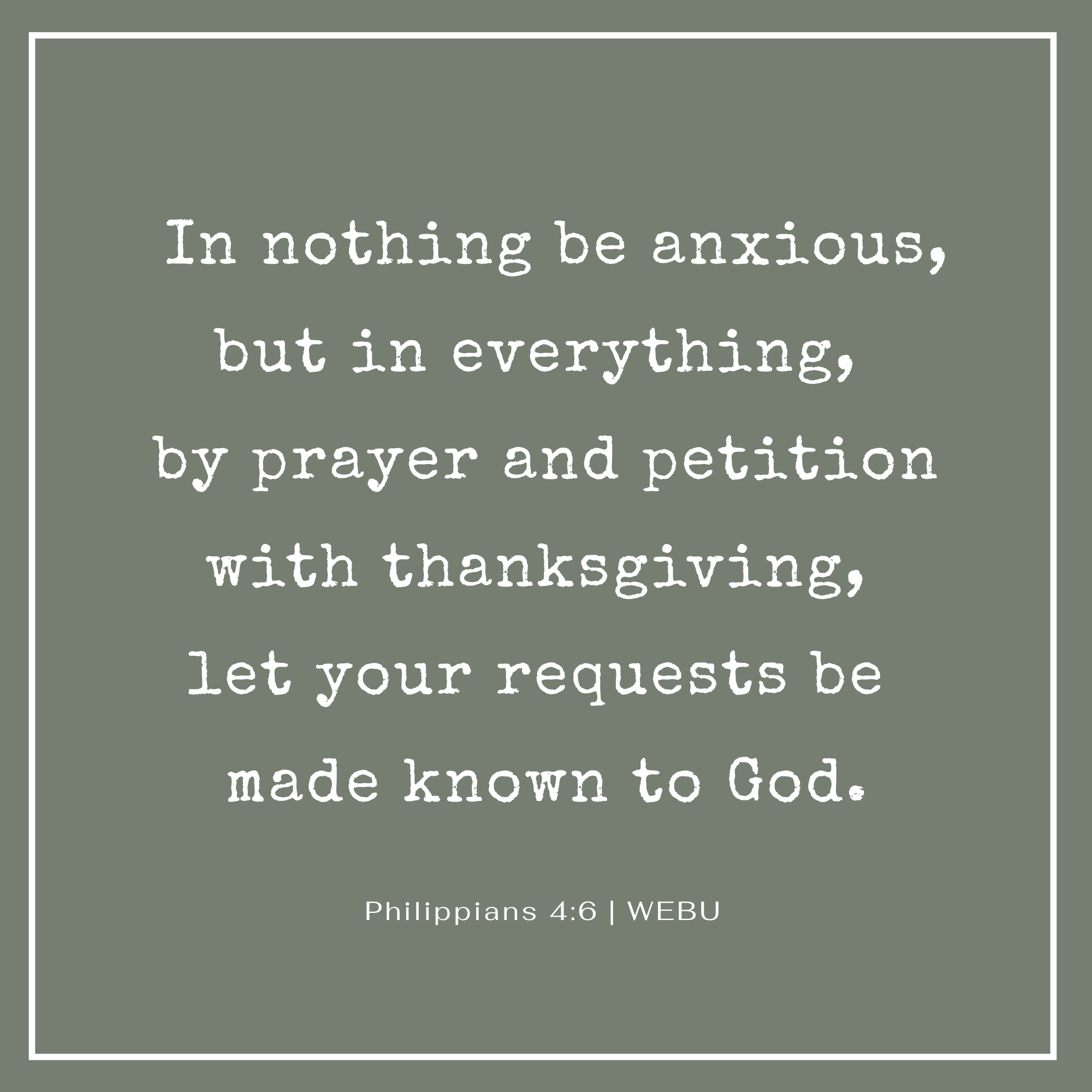
“In nothing be anxious, but in everything, by prayer and petition with thanksgiving, let your requests be made known to God. And the peace of God, which surpasses all understanding, will guard your hearts and your thoughts in Christ Jesus.” —Philippians 4:6–7
Notice that thanksgiving doesn’t require us to wait until the problem is solved.
We bring the need to God with thanksgiving.
This is the holy habit of saturating our prayers with thanksgiving—not because every situation is good, but because God is still good in the middle of it.
Gratitude doesn’t erase the problem or guarantee that our circumstances will change. Instead, it helps shift from anxiety to peace. We choose to stop worrying about everything that could go wrong as we remember to the God who is present with us in what is happening right now.
We remember how he has provided before. We notice where he is meeting us today. We bring both our concerns and our gratitude into his presence.
And in that turning toward God, our anxious hearts have somewhere to rest.
5. Gratitude cultivates contentment and joy.
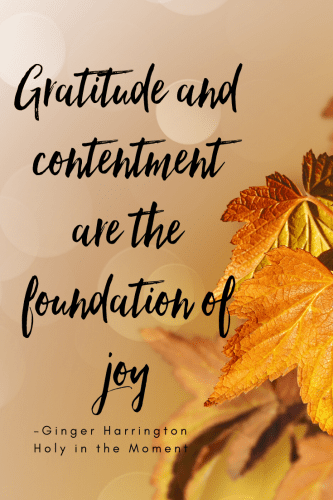
Gratitude, contentment, and joy are closely connected, but they aren’t the same thing.
Gratitude notices what God has given. Contentment learns to rest in God’s provision. Joy grows as we recognize his goodness in the life we’re already living.
Without gratitude, it is easy to live with our attention fixed on what is missing: what we wish were different, what someone else has, what hasn’t happened yet, or what we think we need before we can be happy.
Gratitude redirects our attention.
It doesn’t tell us that we can’t desire change or hope for something more. Instead, gratitude keeps those desires from blinding us to the gifts already present.
Paul described learning to be content whether he had plenty or little. His contentment wasn’t based on ideal circumstances; it was rooted in Christ, who gave him strength in every situation (Philippians 4:11–13).
That matters when we’re trying to cultivate a grateful life.
Contentment isn’t settling for less or pretending we don’t have needs. It is learning to receive today’s provision without constantly measuring it against what we wish we had.
When we practice gratitude, we become more attentive to what God is doing and less consumed by what is missing.
And often, joy has been there all along—we simply needed to notice it.
These truths give us a foundation for a grateful life, but gratitude becomes transformative when we put what we believe into practice. So how do we cultivate gratitude in the rhythms of everyday life?
5 Practices to Cultivate Gratitude
Understanding what gratitude is gives us a strong foundation, but knowing the truth about gratitude doesn’t automatically make us grateful people.
Gratitude grows through practice.
Like any habit, it becomes more natural as we repeat it. Small choices to notice, remember, and give thanks can gradually shape the way we respond to God, our circumstances, and the people around us.
Here are five practices that can help cultivate gratitude as a way of life.
1. Thank God for who he is, not only for what he gives.
It’s easy to focus our gratitude on the things God gives us. We thank him for answered prayers, provision, people we love, opportunities, and unexpected blessings.
These are good gifts, and we should thank him for them.
But gratitude can take us deeper.
Rather than stopping with Thank you for this gift, let the gift turn your attention toward the Giver. What does this blessing show you about God?
His provision reminds us that he is faithful. His forgiveness reveals his mercy. His guidance shows his wisdom. His presence reminds us that we are never alone.
When we focus only on what God gives, we can unknowingly develop a consumer mindset toward him—measuring his goodness by whether life is going the way we want.
When our gratitude is dependent on the gift, we develop a consumer mindset toward God. In A Godward Life, John Piper writes, “God is not glorified if the foundation of our gratitude is the worth of the gift and not the excellence of the Giver.”(214)
Instead, practice thanking God for who he is.
Praise him for his faithfulness when you don’t yet know how something will turn out. Thank him for his presence when circumstances are painful. Remember his goodness when you’re still waiting for an answer.
The greatest gift is not simply what God gives us. It is God himself.
2. Enter God’s presence with gratitude.
Psalm 100 gives us a beautiful picture of approaching God:
“Enter into his gates with thanksgiving, and into his courts with praise. Give thanks to him, and bless his name.” —Psalm 100:4
Gratitude can change the way we begin our time with God.
Before moving immediately to your needs or prayer list, pause and thank him for something specific. Remember something he has done. Name a way you’ve experienced his provision. Praise him for an aspect of his character.
This doesn’t mean we have to get ourselves into the right spiritual mood before we can come to God. We can always come honestly, bringing whatever is on our hearts.
But beginning with thanksgiving helps us remember who we’re coming to.
The holy habit of saturating our prayers with thanksgiving turns our attention toward God’s character and faithfulness even as we bring him our needs.
Try beginning your next prayer with one simple sentence:
God, thank you for…
Then take a moment to really notice what comes to mind.
3. Give thanks in every circumstance.
It takes resilient faith to look for something to thank God for in the midst of hard times. We may not be thankful FOR everything that happens, but we can, at the least, be thankful for God’s promises that apply even ON our most difficult days.
3. Give thanks in every circumstance.
Paul writes:
“In everything give thanks, for this is the will of God in Christ Jesus toward you.” —1 Thessalonians 5:18
This verse can sound difficult when life hurts.
We may not be thankful for everything that happens. Loss, betrayal, illness, disappointment, and suffering are not things we have to rename as good in order to be faithful Christians.
But Scripture calls us to give thanks in every circumstance.
That distinction matters.
Biblical gratitude doesn’t require us to deny pain or paste a positive attitude over grief. Instead, we can acknowledge what is hard while remembering what remains true.
- God is still with us.
- His character has not changed.
- His promises remain trustworthy.
- His grace is still available.
- And even in seasons we would never have chosen, we can watch for evidence of his presence and care.
Sometimes gratitude in a hard season sounds less like Thank you for this and more like:
God, this is hard, but thank you that I don’t face it alone.
Gratitude and grief can exist in the same heart.
4. Record what you’re grateful for.
One of the simplest ways to cultivate gratitude is to write it down.
A gratitude journal doesn’t have to be elaborate. You can record three things at the end of the day, keep a running list in your Bible or journal, or write down one thing you’re grateful for each morning.
The point isn’t to produce a beautiful record. The practice trains us to notice.
When we know we’re going to write something down, we begin looking for it. Over time, we may become more attentive to gifts we once hurried past: a meaningful conversation, a beautiful sky, an unexpected kindness, a Scripture that spoke directly to a need, or simply enough strength for the day.
Writing also gives us something valuable to return to.
On a difficult day, a record of gratitude becomes a record of remembrance. We can look back and see evidence of God’s faithfulness we might otherwise forget.
You don’t need to record everything.
Start with one thing.
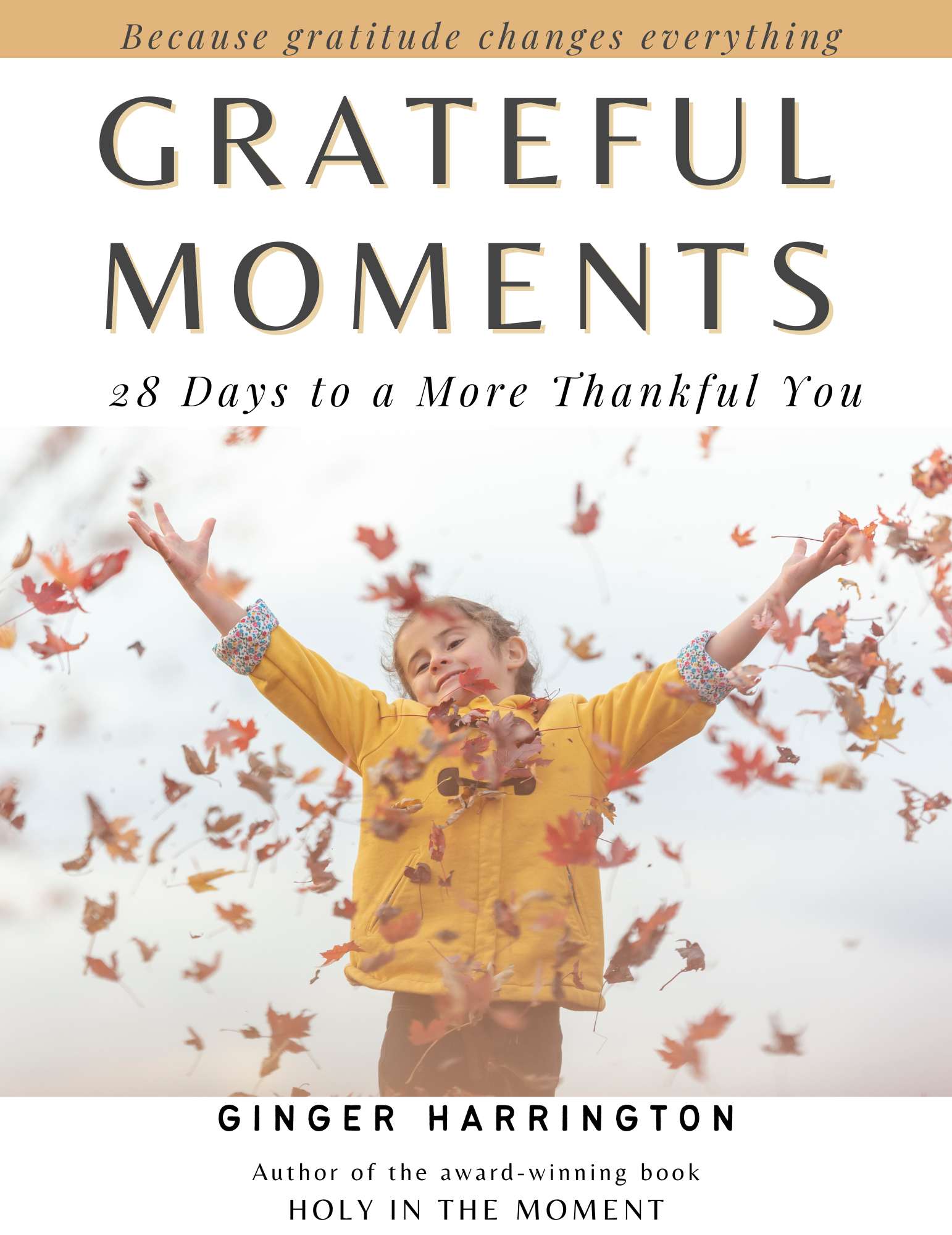
Download my free Grateful Moments Workbook to get started.
5. Express gratitude to others.
Gratitude isn’t meant to remain only between us and God. It can also shape the way we see and love the people around us.
Often we appreciate someone without ever actually telling them.
We notice the friend who always checks in, the spouse who quietly handles something that needs to be done, the coworker who makes our job easier, or the person who encouraged us at exactly the right time.
Don’t just notice. Name it.
Tell someone specifically what you appreciate and why it matters.
Instead of simply saying, Thanks for everything, try:
Thank you for checking on me this week. I felt cared for when you remembered what I was going through.
Specific gratitude helps another person understand that their actions mattered.
And something happens in us as well. When we intentionally look for reasons to appreciate others, we’re less likely to focus exclusively on their shortcomings.
Gratitude is inseparable from love, and expressed gratitude is one simple way to put that love into action.
A text, a note, a phone call, or a few sincere words may take only minutes, but gratitude spoken aloud can become a gift of its own.
A Habit of Hope: Put Gratitude Where You Can See It
This week, choose one Scripture about gratitude and put it somewhere you’ll see it every day.
Place it beside your coffee maker. Tuck it into your Bible. Set it on your desk or nightstand. Take a picture and make it the lock screen on your phone.
Each time you notice the verse, pause for a moment.
Read the words. Remember what they tell you about God. Then name one thing you’re grateful for right now.
That’s all.
The goal isn’t to manufacture a grateful feeling. It’s to practice directing your attention toward God’s truth and goodness until gratitude becomes increasingly familiar to your heart.
A grateful life is cultivated one small act of noticing, remembering, and giving thanks at a time.
Keep Gratitude in View
This simple practice is one reason I created the Grateful Life Scripture Card Collection. I wanted a beautiful, practical way to keep God’s Word in view and let Scripture prompt us to notice, remember, and give thanks throughout the day.
The collection includes 17 verses that turn our attention toward God’s goodness, faithfulness, provision, and care. Place a card on your desk, tuck one into your Bible, display one in your kitchen, or put it anywhere you’re likely to see it during the day.
Each time you notice it, let the Scripture become an invitation: pause, remember what is true, and give thanks.

The Grateful Life Scripture Card Collection helps you keep biblical truth visible as you cultivate the habit of gratitude.
Explore the Grateful Life Scripture Card Collection in my Etsy shop.
Questions About Living a Grateful Life
What does it mean to live a grateful life?
A grateful life is shaped by regularly recognizing God’s goodness, remembering his faithfulness, and responding with thanksgiving. It doesn’t require perfect circumstances or constant positive feelings. Biblical gratitude grows as we learn to notice God’s gifts, trust his character, and practice giving thanks in the life we’re living today.
Why does gratitude matter?
Gratitude matters because it turns our attention toward God and helps us recognize his goodness and faithfulness in our everyday lives. Giving thanks can shape the way we pray, respond to our circumstances, and recognize the gifts we might otherwise overlook.
If you’d like to explore this more deeply, read Why Gratitude Matters: How Giving Thanks Transforms Your Life.
How can I become more grateful?
Becoming more grateful begins with intentionally noticing and responding to what is good. Start small: thank God for one specific thing, record something you’re grateful for, remember a way he has been faithful in the past, or express your appreciation to another person.
Gratitude becomes more natural as we practice it. For more ideas, read Why Gratitude Matters More Than You Think: How to Be More Grateful.
Why is it sometimes hard to feel grateful?
Gratitude can be difficult when we’re distracted, disappointed, comparing ourselves to others, focused on what is missing, or simply moving too quickly to notice what is good. Sometimes the obstacle isn’t that we have nothing to be grateful for—we’ve stopped paying attention.
If gratitude feels harder than it should, Obstacles to Gratitude: 7 Common Barriers + How to Overcome Them can help you identify what’s getting in the way.
Can I practice gratitude when life is hard?
Yes. Biblical gratitude doesn’t require us to deny suffering or be thankful for everything that happens. We can give thanks in difficult circumstances because God’s character, presence, and promises remain trustworthy even when life is painful.
Grief and gratitude can exist in the same heart. For a deeper look at practicing gratitude without minimizing pain, read Gratitude in Grief and Trauma: 7 Ways to Anchor Your Heart.
P. S. I’d be so grateful if you pin one of the graphics from this post. Enjoy and thanks for sharing!
Related Content on Gratitude and Thankfulness
- 23 Bible Verses to Give Thanks with a Grateful Heart
- How to Shift from Anxiety to Peace: Philippians 4:6-7
- How to Give Thanks in All Circumstances (Even When You Don’t Feel Like It)
- Why Gratitude Matters More than You Think: How to Be More Grateful
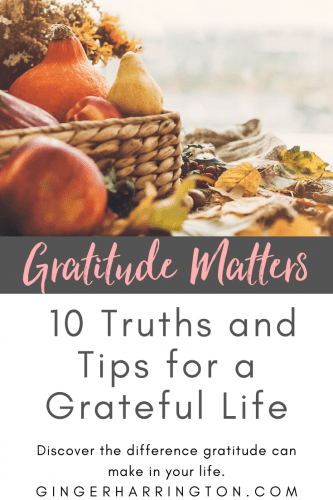
- Gratitude Matters: 10 Truths and Tips for a Grateful Life
- When Gratitude Overflows: How Giving Thanks Leads to Joy
- Gratitude in Grief and Trauma: How to Anchor Your Heart
- 7 Common Obstacles to Gratitude (and Simple Ways to Overcome Them)
- Why God Calls Us to Give Thanks in Every Circumstance (and How to Do It)



0 Comments