Ginger Harrington
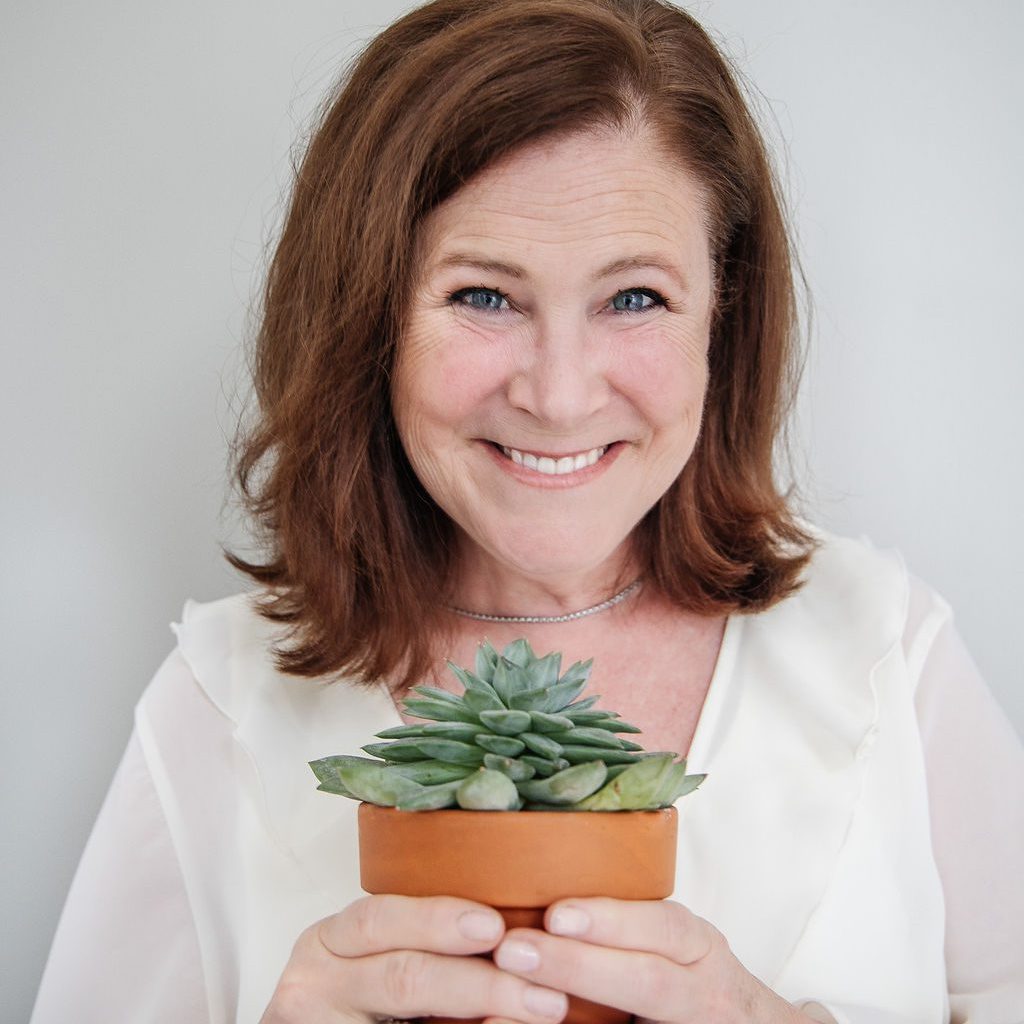
Hi there! I’m Ginger. Ready to live fully with deeper faith and healthy living so you can thrive in the beautiful purpose God has for you? Let’s do it together!
take the challenge!
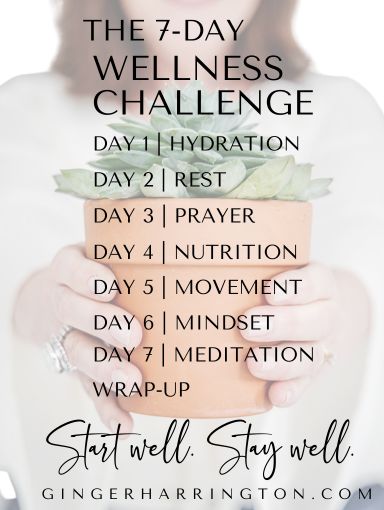
Get motivated with the 7-day Wellness Challenge to jump-start health and wellness for your best year ever. Seven days to focus on foundational practices to nurture your healthy body, soul & spirit. Set do-able goals to take care of all of you as we start a healthy 2024 together!
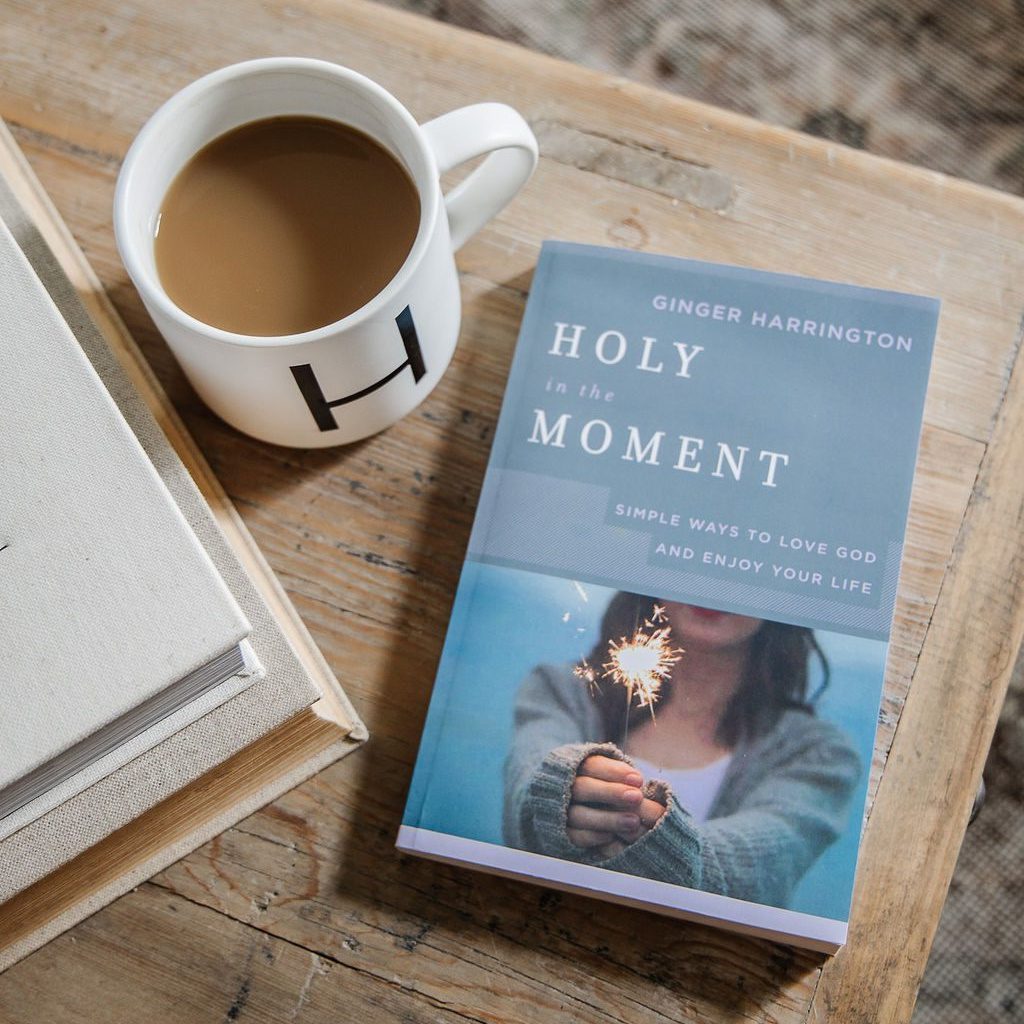
HOLY IN THE MOMENT
Simple Ways to Love God And Enjoy Your Life
My award-winning book will give you actionable ways to strengthen your faith and overcome the struggles that roadblock spiritual growth. Discover the transforming power of choosing to rely on Christ in this holy moment.
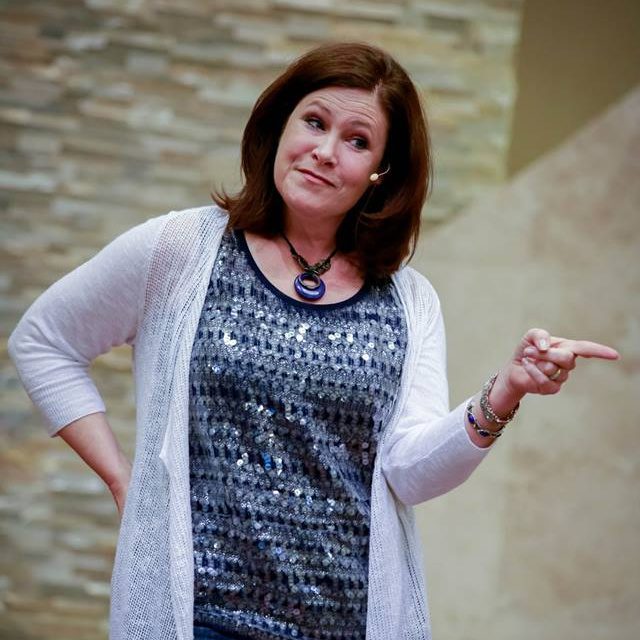
SPEAKING
Cultivate a deeper life with biblical wisdom and practical steps to strengthen faith, inspire hope, and transform daily living with healthy choices for body, soul, and spirit. Ginger will help you live fully in your identity in Christ so you can thrive in your beautiful purpose. Learn how to be your best so you can give your best: holy, healthy, and whole.
THE LATEST
from the blog

Don’t Rush Past What God Has Done: 5 Reasons to Celebrate
We can become so focused on what still needs to be done that we rush past what God has already done. Discover five biblical reasons to celebrate God’s faithfulness, remember what He has done, and find hope even when life still feels unfinished.
I’m going to confess something, friends. I’m not that great at celebrating. I finish something, and I’m already three steps into the next thing before I’ve let myself feel glad about the last one.
Maybe you do this too.
There’s always another task to finish, another goal to reach, another person who needs you, or another problem to solve. We move so quickly toward what’s next that we don’t always stop long enough to notice what God has already done.
Recently, my friend and podcast co-host Larissa Traquair and I celebrated two years of the Habits of Hope podcast. As we looked back over two years of conversations, guests, lessons learned, technology conquered (mostly!), and ways we’ve seen God work, I realized that stopping to celebrate wasn’t simply about marking a podcast anniversary.
It was about remembering the faithfulness of God.
Whether you’re creating something, raising children, building a marriage, serving in ministry, caring for someone you love, working in a professional career, or simply trying to be faithful in the season God has given you, there is value in pausing to recognize God’s faithfulness along the way.
That’s really what celebrating God’s faithfulness is about. Celebration gives us space to remember His goodness, enjoy the fruit of faithful work, give thanks for the people who have shared the journey, and carry renewed hope into what comes next.
And maybe, like me, you need to get a little better at it.

Why Is It Important to Remember What God Has Done?
Remembering what God has done helps us recognize His faithfulness instead of letting His goodness get lost in the busyness of life.
Psalm 103:1–2 says:
“Bless the Lord, O my soul, and all that is within me, bless his holy name! Bless the Lord, O my soul, and forget not all his benefits.”
I love the wholeheartedness of this passage. All that is within me. With everything I’ve got, I’m going to bless the Lord. And then comes the reminder: forget not.
Isn’t it easy to forget, to take things for granted?
When we stop and look back, we begin to see things we missed while we were busy living them. We remember the prayer God answered, the strength He supplied, the person He provided at just the right time, the growth that happened slowly, or the hard thing He helped us do.
Larissa put it so simply in our conversation: “Celebration is a form of gratitude.”
I think she’s right.
Is Celebration a Spiritual Discipline?
Yes, celebration can be a spiritual discipline because we can intentionally choose to notice and respond to God’s goodness rather than waiting until we feel celebratory.
We tend to think of celebration as something that happens naturally when something exciting occurs. We celebrate birthdays, anniversaries, graduations, weddings, promotions, holidays, and major accomplishments.
But what about all the life that happens in between?
Larissa is much better at this than I am. She loves to celebrate, but as we talked about it, she pointed out that celebration doesn’t always happen automatically. She has learned to cultivate it.
Sometimes we simply have to decide to stop and celebrate.
Celebration isn’t just a response. It’s a practice. And practicing celebration changes what we notice.
That matters because most of life isn’t lived in the big milestone moments. It’s lived in ordinary days, small beginnings, slow growth, quiet faithfulness, answered prayers, difficult seasons, and work that may never feel completely finished.
5 Reasons Celebrating God’s Faithfulness Matters
Celebration helps us pay attention to God’s work in ways we can easily miss when life keeps moving. As I’ve thought about what it means to stop and celebrate, these five reasons stand out to me.
1. Celebration Helps Us Notice What God Has Done
Celebration makes us stop long enough to recognize God’s faithfulness in places we might otherwise rush past.
So much of our attention naturally goes toward what isn’t done.
We see the goal we haven’t reached, the prayer that hasn’t been answered the way we hoped, the project that still needs work, the habit we haven’t mastered, or the area where we still need to grow.
Meanwhile, there may be evidence of God’s faithfulness all around us that is easy to miss in the rush.
Our podcast anniversary gave me a reason to zoom out. Yes, there is still room to grow. There always will be. But the milestone also gave us a chance to name what God has done:
- how God has provided
- the people He has brought into our lives
- what we’ve learned and made it through
- how much has changed in two years.
What might you notice if you stopped for a moment and looked back at how God has been at work in your life?
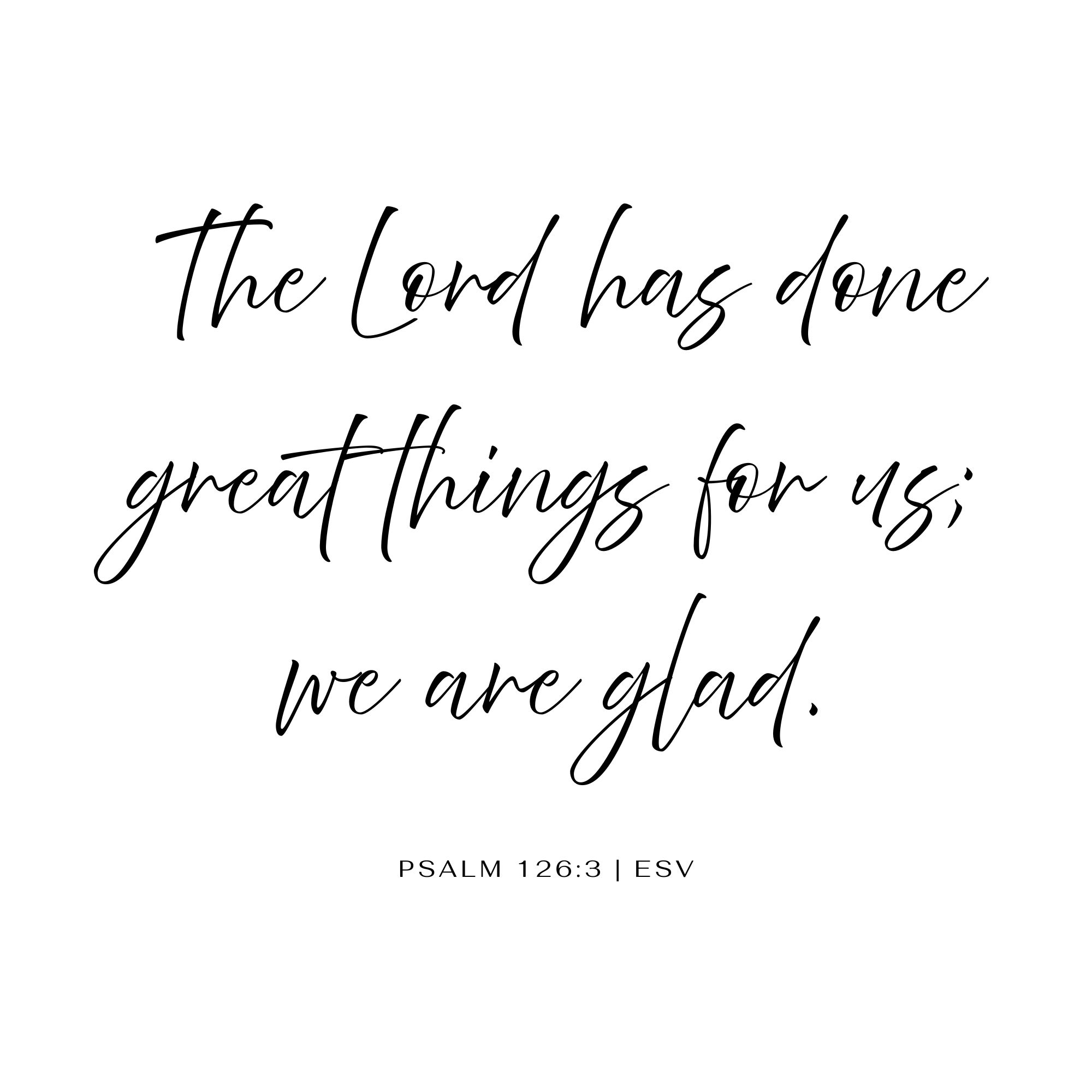
Psalm 126:3 says, “The Lord has done great things for us, and we are glad.”
I love the simplicity of this verse.
The Lord is working. We notice. We are glad.
Celebration creates space for all three.
2. Celebration Helps Us Appreciate Progress Even When Life Isn’t Finished
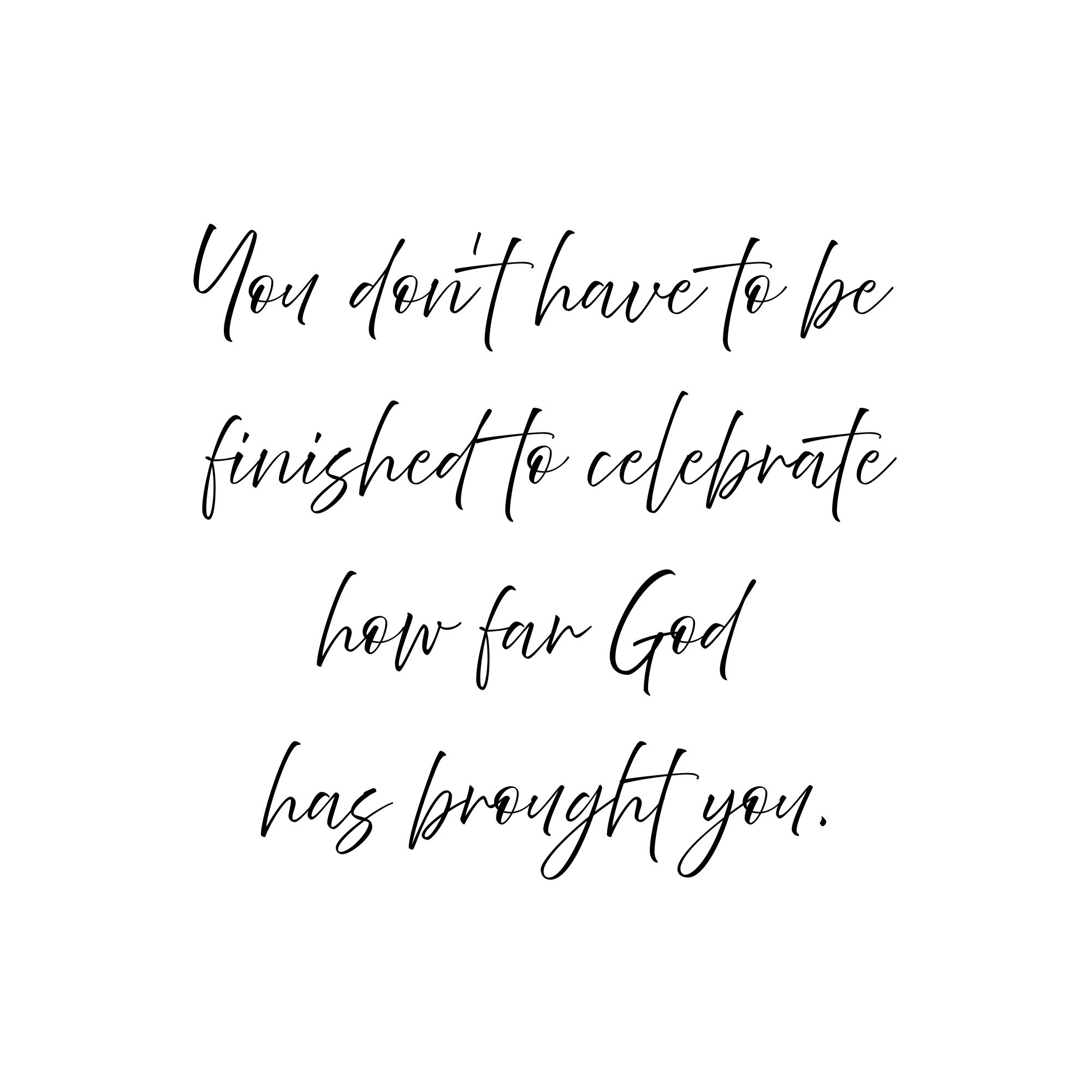
We don’t have to be finished to celebrate how far God has brought us.
This may be the lesson I need most.
One reason celebration can be hard for me is that I rarely feel finished.
Before I was a writer, I was a schoolteacher. Teachers are rarely finished. Then there’s parenting. You’re never really finished with that either. Housekeeping? Please. There’s always another load of laundry and another stack of dirty dishes.
Writing and ministry work the same way. There’s always another draft, another idea, another email, another person to serve, another way something could be better.
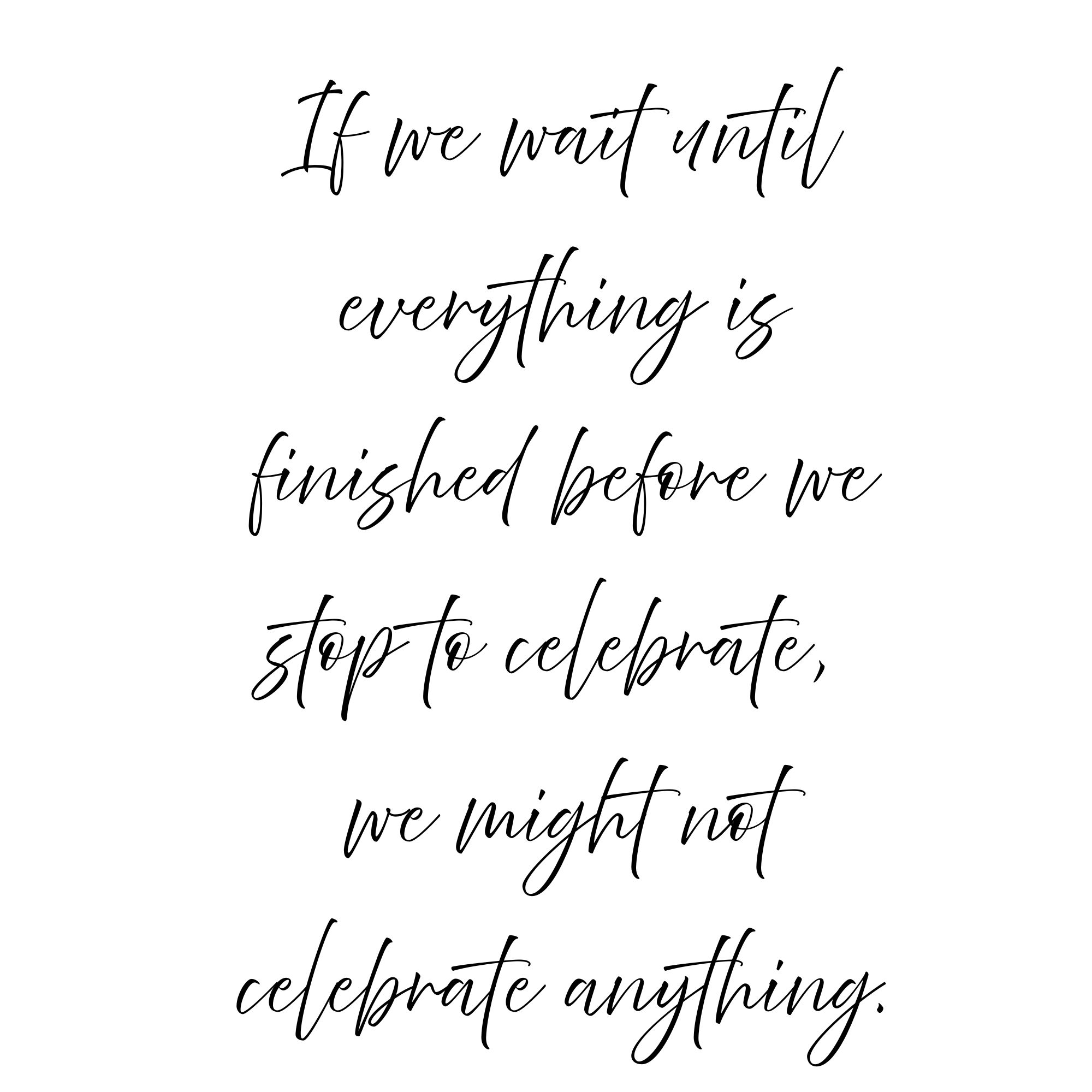
If we wait until everything is finished before we stop to celebrate, we might not celebrate anything.
Years ago, while studying Genesis, I spent time thinking about God’s rhythm of work and Sabbath in creation. I had always focused on the importance of rest—and rest is important.
But eventually I noticed something else.
At the end of each day of creation, God acknowledged what had been done. He saw that it was good. At the end of the sixth day, He saw that it was very good.
On day three, was everything finished?
No.
Yet God still acknowledged the good work of that day. That realization changed something for me.
There is a rhythm in Scripture that includes work and stopping—not only stopping to rest, but stopping to acknowledge what has been done and to give thanks.
Sometimes stopping gives us a perspective we can’t get while we’re still running.
3. Celebrating God’s Faithfulness Cultivates Gratitude
Celebrating God’s faithfulness turns gratitude from a passing feeling into an intentional way of noticing God’s goodness.
Larissa often says, “Until further notice, celebrate everything.”
I love that. It doesn’t mean pretending everything is wonderful. It means learning to notice that even in complicated seasons, there are still things worth thanking God for.
We can become so accustomed to looking for the big moments that we overlook the smaller ones: a first step, a little progress, a prayer answered quietly, a new skill learned, a conversation that went better than expected, a day when we had the strength to do what needed to be done.
Celebration and gratitude go hand in hand because both require attention. And gratitude can coexist with difficulty.
Larissa knows this in a way I deeply respect. After her husband, Bill, died, she continued to practice celebration even while grieving. Did she sometimes celebrate through tears? Absolutely.
Did celebration negate what was hard? No. But the practice of noticing what was still good and recognizing God’s faithfulness helped carry her through some of the hardest days, weeks, and months of grief.
Celebration does not require us to deny pain. Sometimes it simply helps us remember that pain is not the only thing that is true.
4 .Celebration Helps Us Appreciate the People God Has Given Us
When we stop to celebrate what God has done, we often begin to notice the people He used along the way.
This was one of my favorite parts of looking back over two years of Habits of Hope.
The Apostle Paul writes in Philippians 1:3, “I thank my God in all my remembrance of you.”
Paul wasn’t only grateful for what had been accomplished. He was grateful for the people who had partnered with him.
Celebration has a way of turning our attention outward.
When you look back at something God has done in your life, who is standing somewhere in the story? Who encouraged you, prayed for you, taught you something you needed to learn, or simply showed up when you needed them?
When I look back over the podcast, I see guests who generously shared their wisdom and stories. I see listeners who took what they heard and put it into practice. And I see Larissa—my friend since our military days in Okinawa—bringing her wisdom, laughter, enthusiasm, and gift for celebration into every part of this journey.
Celebrating with others is simply more fun. But it’s also more than that.
Celebrating God’s faithfulness gives us an opportunity to thank God for the people who have been part of His provision.
Maybe one way for you to celebrate today is simply to tell someone, I thank God for you.
5. Remembering God’s Faithfulness Gives Us Hope
Remembering God’s past faithfulness gives us courage to trust Him with what is still unfinished.
Looking back isn’t about living in the past. It helps us see the present differently.
When Larissa and I first talked about starting a podcast, there were seasons when the timing simply wasn’t right. We had both walked through difficult things and didn’t have the bandwidth to begin something new.
Later, timing wasn’t my only problem. Technology intimidated me. My husband used to call me “an analog girl in a digital world,” and honestly, that description fit pretty well.
At some point, though, I had to stop waiting until I felt completely equipped and capable.
I remember coming to the Lord and essentially saying, If this is something You want us to do, I’m going to trust You to help me learn what I need to learn.
We spent six months recording episodes before we ever published one. We learned. We made mistakes. We kept going.
And God developed capability as we were willing to begin.
Maybe there is something God has been leading you toward that feels intimidating. Maybe the learning curve feels too steep, or the timing hasn’t looked the way you expected. Maybe you’re doing exactly what He’s asked you to do, but the results don’t look impressive by the world’s standards.
When we remember what God has done, we begin to recognize a pattern of faithfulness.
The God who was faithful then is with us now. And that gives us hope for what comes next.
How Can You Celebrate What God Has Done in Everyday Life?
Start by intentionally noticing what is good, what has changed, and where you can see evidence of God’s faithfulness.
Celebration doesn’t have to be elaborate. You don’t need a party, decorations, or a major milestone.
You might:
- Write down an answered prayer you don’t want to forget.
- Mark a small step of progress rather than waiting for the final result.
- Look back at where you were a year ago and notice how God has grown you.
- Celebrate someone’s growth or accomplishment with them.
- Thank someone who has been part of what God is doing in your life.
- Share a story of God’s faithfulness with your family.
- Pause at the end of the week and name what was good.
- Celebrate an ordinary joy simply because it is a gift from God.
We become better at celebrating when we practice noticing. Instead of constantly asking, What’s still missing? What’s still undone? What’s next? We can begin asking a different question:
What has God already done that I don’t want to rush past?
This Week’s Habit of Hope: Stop and Celebrate
Choose one area of your life that still feels unfinished and intentionally notice what God has already done there. Mark the milestone.
Maybe it’s your family, work, ministry, health, a relationship, a long-term goal, or your spiritual growth.
Instead of immediately focusing on how far you still have to go, stop for a few minutes and ask:
- Where have I seen God at work?
- What has changed?
- What have I learned?
- Who has God used along the way?
- What is good that I haven’t stopped to acknowledge?
Then thank Him. Celebrate the progress and the provision. Celebrate the person who walked beside you. Celebrate the grace that carried you through.
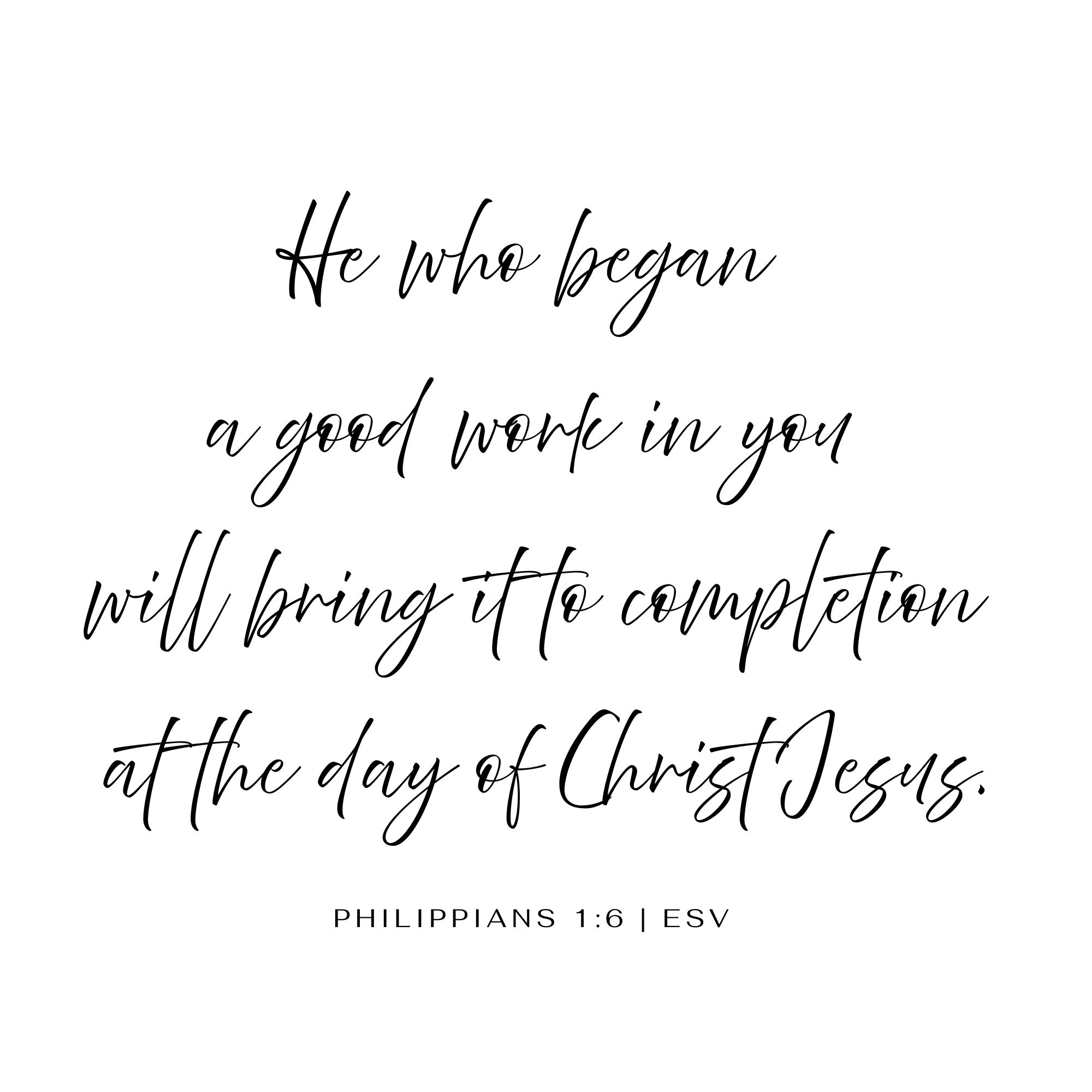
You don’t have to be finished to celebrate how far God has brought you. Philippians 1:6 reminds us that “he who began a good work in you will carry it on to completion until the day of Christ Jesus.”
There will always be more to do, more to learn, and more ways to grow. But today, stop long enough to mark the milestone and thank God for His faithfulness.
Celebrate what God has done. Trust Him with what is still unfinished. And carry the hope of His faithfulness with you into whatever comes next.
Celebrate with Us!
Since this article grew out of the second birthday of the Habits of Hope podcast, I thought we should do more than talk about celebration. Let’s actually celebrate!
I’m giving one reader a Habits of Hope Birthday Celebration bundle filled with some of my favorite resources to help you cultivate faith, gratitude, meaningful relationships, and hope.
The winner will receive:
- A signed copy of Holy in the Moment + bookmark
- The Cultivating a Life You Love Devotional Journal PDF
- A Good Questions Conversation Card Set
- And a special sneak peek: you’ll be one of the very first to receive my brand-new Grateful Life Verse Set before it’s officially released!
Want to enter? Leave a comment below or reply to this week’s Habits of Hope/Ginger Harrington email to enter. One entry per person; I’ll randomly choose one winner from all entries on October 5, 2026.
Thank you for being part of this community and for celebrating two years of Habits of Hope with Larissa and me. We’re grateful you’re here—and excited to see what God will do in the year ahead.
Frequently Asked Questions About Celebrating God’s Faithfulness
Here are a few common questions about what it means to remember and celebrate God’s faithfulness in everyday life.
What does the Bible say about remembering what God has done?
Scripture repeatedly calls God’s people to remember His works, goodness, and faithfulness. Psalm 103:2 tells us to “forget not all his benefits,” while Psalm 126:3 responds to God’s great works with gladness. Biblical remembrance helps us recognize God’s activity rather than taking His provision for granted.
Why is it important to celebrate God’s faithfulness?
Celebrating God’s faithfulness helps us notice His work, practice gratitude, gain perspective, appreciate others, and strengthen our hope. It gives us a reason to stop looking only at what remains unfinished and recognize what God has already done.
Is celebration a spiritual discipline?
Celebration can become a spiritual discipline when we intentionally practice noticing and responding to God’s goodness. Rather than waiting until we feel happy or something significant happens, we can choose to pause, remember, give thanks, and rejoice in God’s faithfulness.
Can I celebrate God’s goodness when life is hard?
Yes. Celebration doesn’t require us to deny grief, disappointment, or difficulty. Gratitude and grief can exist together. Celebrating God’s faithfulness in a hard season means recognizing that pain is real while also remembering that God’s goodness and presence are real.
What are some simple ways to remember God’s faithfulness?
Record answered prayers, revisit meaningful milestones, tell stories of God’s provision, thank people He has used in your life, and regularly pause to notice what is good. Simple practices of remembrance help us recognize God’s faithfulness in ordinary life rather than waiting only for major accomplishments or dramatic answers to prayer.
Mentioned in This Episode
- Episode 80 — “Trusting God Through Doubt and Grief” — the conversation about Kelsey Chadwick and her book Where Else Could I Go. Larissa calls this her favorite unexpected conversation.
- 10 Habits of Peace Series: A Complete Guide to Experiencing God’s Peace
- Cultivating a Life You Love series — Ginger specifically mentions the recently completed summer series. Again, she references the series as a whole rather than individual episodes. Pasted markdown
- Episode 78 — “How to Find Hope After Trauma” with Jennifer Hand. Larissa talks about Jen finding hope “in the literal rubble of people’s lives” and her ability to bring joy into difficult circumstances.
- Upcoming interview with Travis Craver — The Hidden Beauty of Tears. This episode will be live October 13, 2026.
- Episode 69: How to Scripture Journal: A Simple Rhythm for Everyday Quiet Time
About the Author
Ginger Harrington is an award-winning author, speaker, and host of the Habits of Hope podcast. In her book Holy in the Moment and through her writing and podcast, Ginger encourages women to notice God’s presence, remember His faithfulness, and cultivate practical habits that deepen faith and strengthen hope. She is also the creator of The Deeper Life Co., her Etsy shop featuring Scripture-centered resources designed to help women live their faith with intention in everyday life. Connect with Ginger at GingerHarrington.com.
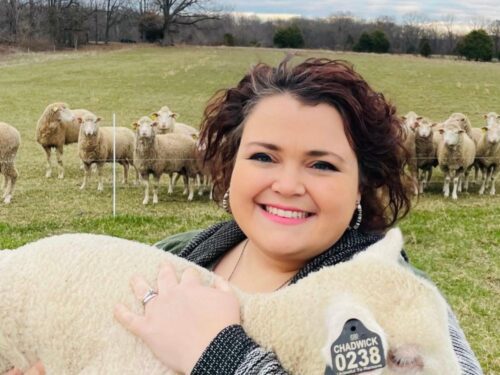
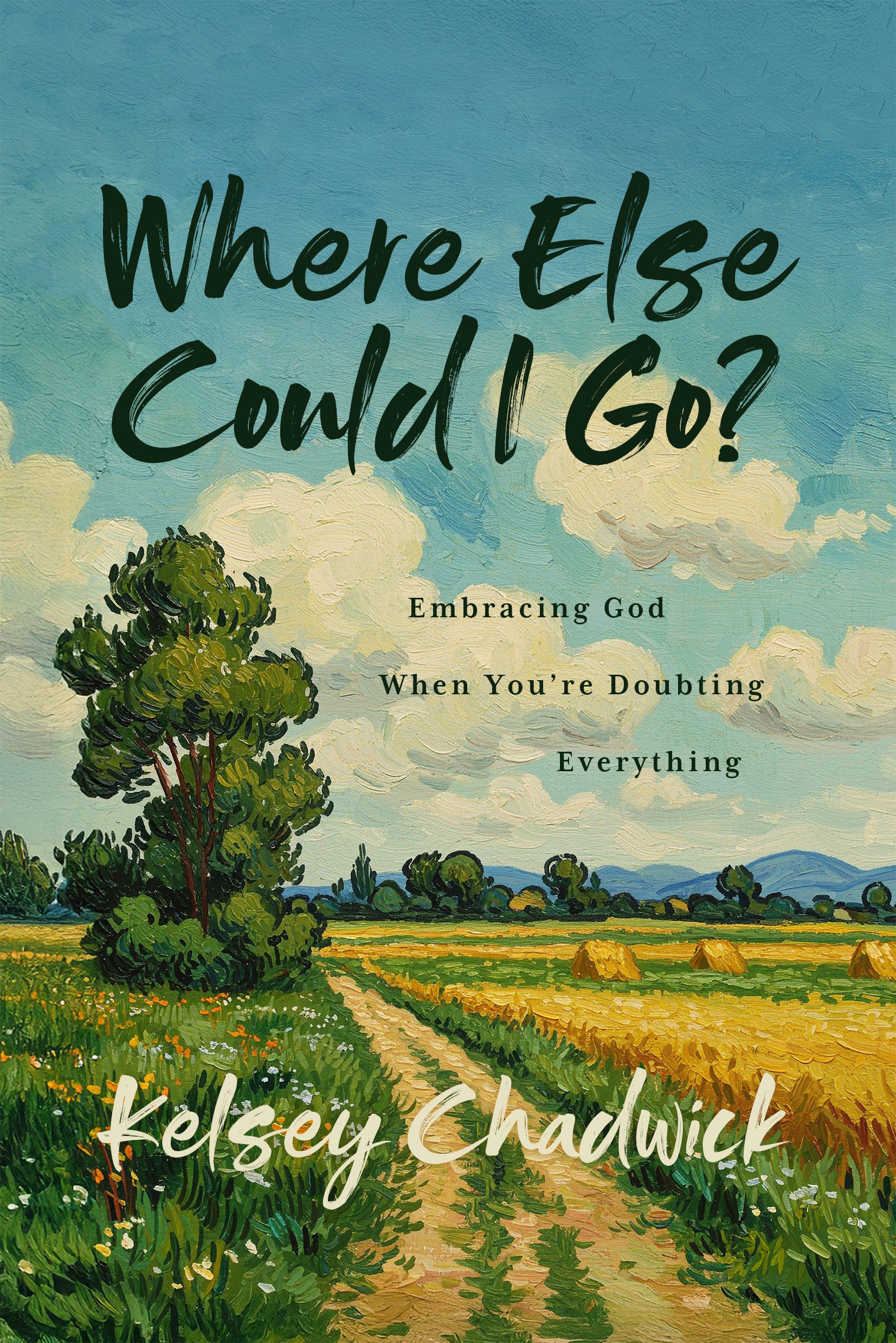
Trusting God Through Doubt: The Story Behind Kelsey Chadwick’s Where Else Could I Go?
Kelsey Chadwick wrote her entire book about trusting God through doubt in five days. It was at the publisher when she died. Her mother, Lesa Watson, shares the story behind Where Else Could I Go? — and the hope that is still speaking.
Kelsey Chadwick did. She was a follower of Jesus, a lover of his Word, a wife and mother and writer and researcher — a woman who had walked with God her entire life. And then came a year of medical uncertainty, a cancer diagnosis with no clear treatment, and nine months of waiting that brought her face to face with doubt she hadn’t expected.
She didn’t run from it. She wrestled with her faith by bringing her questions to the source of her hope.
What came out of that year was a book: Where Else Could I Go? Embracing God When You’re Doubting Everything. Kelsey wrote the entire manuscript in five days during a surprise anniversary retreat her husband arranged so she could have uninterrupted space to write. It was at the publisher when she passed away unexpectedly in August, at thirty-five years old.
Her mother, Lesa Watson, joined us on the Habits of Hope podcast for her very first interview to share Kelsey’s story, her own journey through grief, and the hope that has held their entire family since.
This post is an invitation to meet both of them.
The Story Behind the Book
Kelsey first noticed something was wrong during a family vacation in Florida. She was putting on lotion after a day in the sun when she felt a growth on her neck. She knew immediately that something wasn’t right, but she said nothing. She kept it to herself for the rest of that week to protect the time her family had together.
What followed was nine months of indeterminate biopsies, specialist visits at the University of Kentucky Research Center, and a waiting game that offered no clear answers. Eventually her thyroid was removed. That’s when testing revealed what the biopsies couldn’t: a rare, essentially untreatable form of cancer. Even after the surgery there were still questions, more testing, more uncertainty.
That journey of trusting God with her doubt started nine months before Kelsey’s passing and was still ongoing when she died from a completely separate cause. She died suddenly of an abdominal aortic aneurysm, while presenting at a work conference far from home.
Her last recorded words, spoken to the medical team around her before she lost consciousness for the final time: “Jesus loves you too.”
She had already told them, when she first came to, that Jesus loved her. Her last words were a gift to the strangers in the room.
The book she left behind carries that same spirit.

How Doubt Became a Doorway to Deeper Faith
Lesa described her daughter as someone who had always been a student of the Word, a researcher and thinker who, when the questions came, went straight to the source.
“She found her answers, her strength, her trust,” Lesa said. “Her beliefs were even strengthened more through that journey of doubt.”
She returned again and again to John 15:5, the simple grounding truth that apart from Christ, we can do nothing. Not as a rebuke, but as a relief. She couldn’t understand God’s purposes. She couldn’t manufacture peace. But she could know that she was not meant to do any of it alone.
Her husband, sensing she needed time and space to write without distraction, arranged a five-day anniversary retreat. He packed her bags, booked a hotel suite with a dedicated writing area, and told her almost nothing until they were leaving. In those five days, the entire book poured out of her.
After she passed, her husband found something else on her phone: voice memos. Audio recordings of Kelsey talking through her emotions, describing what God was showing her in scripture, working out her faith out loud in real time. Those recordings were never meant to be heard by anyone else. They are, as Lesa said, such a gift and a blessing — her daughter’s voice, still speaking.
The Hope She Left Behind
Lesa shared that Where Else Could I Go? is a handbook for Christian living, not just a book about doubt but a guide for anyone trying to hold on to faith when the answers won’t come easily.
In reading the book, what strikes me most is Kelsey’s voice. It is honest without being raw, tender without being fragile. She writes the way someone writes when they have genuinely worked something out, not performed peace, but found it, imperfectly, on the way. The prose is clear and the faith is real, and you feel both of those things from the first page.
Here is some of what you’ll find inside:
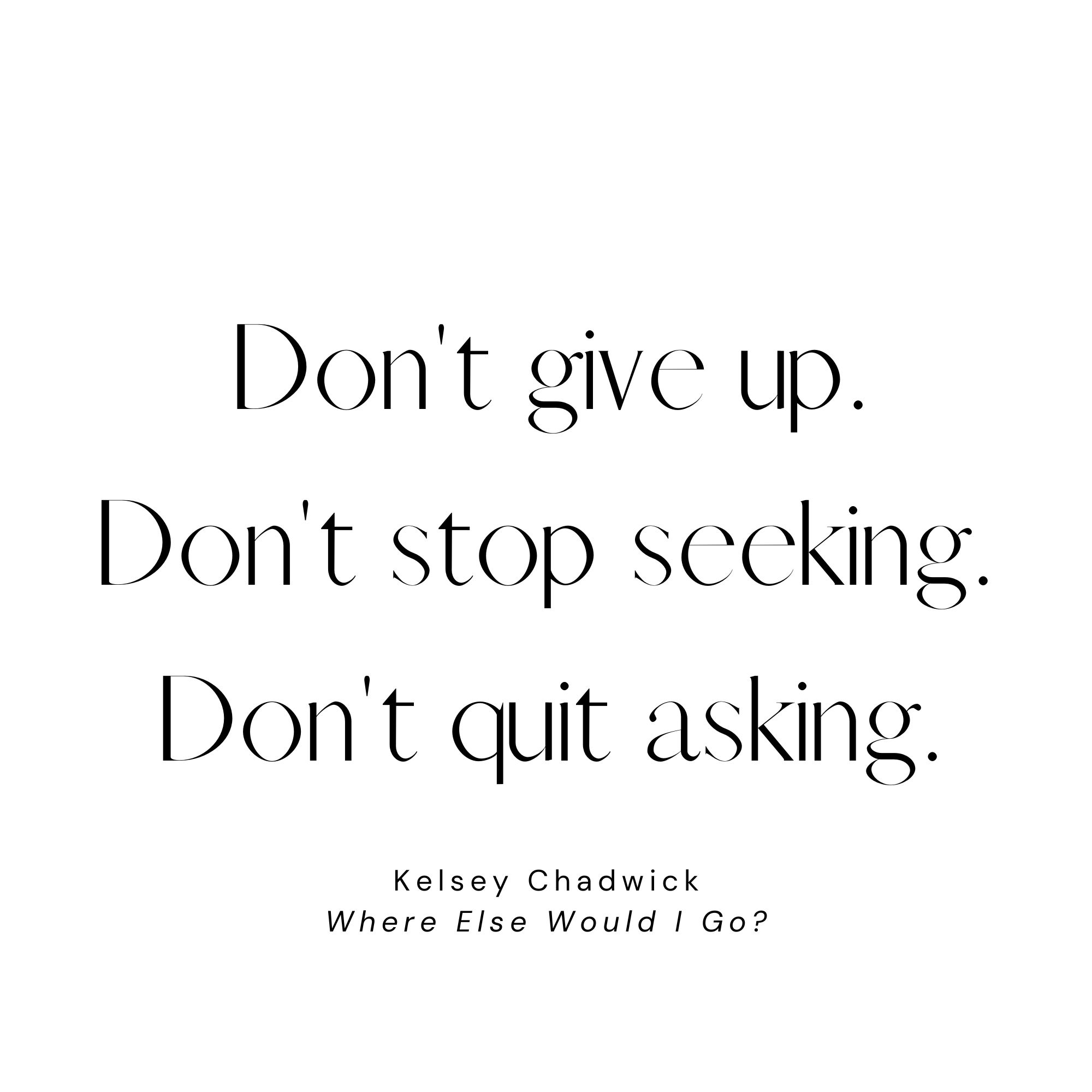
“Don’t give up. Don’t stop seeking. Don’t quit asking. God wants to answer your questions in his way and in his time. But the first step is to agree with him that he is God and we are not.” — Page 34
“Rest assured, God knows your doubts. You don’t have to ignore them, set them aside, or pretend they don’t exist. But you do have to bring them to the only one who truly has the answers if you want to have lasting peace. The act of simply giving your questions over to the Lord says to him, ‘I trust you over what I can feel or experience on my own,’ and that is faith he can work with. That is where the road home begins.” — Page 50
“Christ is the author and finisher of a faith that hinged on his own crucifixion to bring about a better plan for you and for me. He knows all about creating beauty from ashes, transforming unimaginable suffering into eternal redemption. Settle on the fact that he alone, both completely devoted to our welfare and totally in control of our circumstances, is the answer to every question that feels so unfair.” — Page 82
“You cannot defeat doubt without the Word. God has given us the gift of himself within the pages of this book. It’s alive. It changes us. We cannot leave it closed and claim he is not speaking.” — Page 94
“We must make every effort to cling to what we believe, even when the flesh begs us to do otherwise. How will we know which way to go? How will we be sure what to believe? Only by remaining connected to the Spirit, who can bring clarity to each and every question in our hearts if we earnestly seek him.” — Page 108
“Like Peter, we ask, ‘Where else could I go?’ If you have truly experienced the Messiah, you know there is only one answer. Like the disciples then, we are disciples now, and we know who has the words of eternal life. We can embrace God even when we are doubting everything. We can trust him to always lead us back home.” — Page 172
How a Mother Holds Grief and Hope at the Same Time
Grief is not a problem Lesa has solved. She was clear about that.
“I live every day with the loss of her,” she said. “Which is very difficult.”
But she also carries something that shapes the way she grieves. Her husband leads an Experiencing God Bible study at their church, and one of its central premises has become a cornerstone for their family: the kingdom of God is eternal, and it begins not at death but the moment you say yes to Christ.
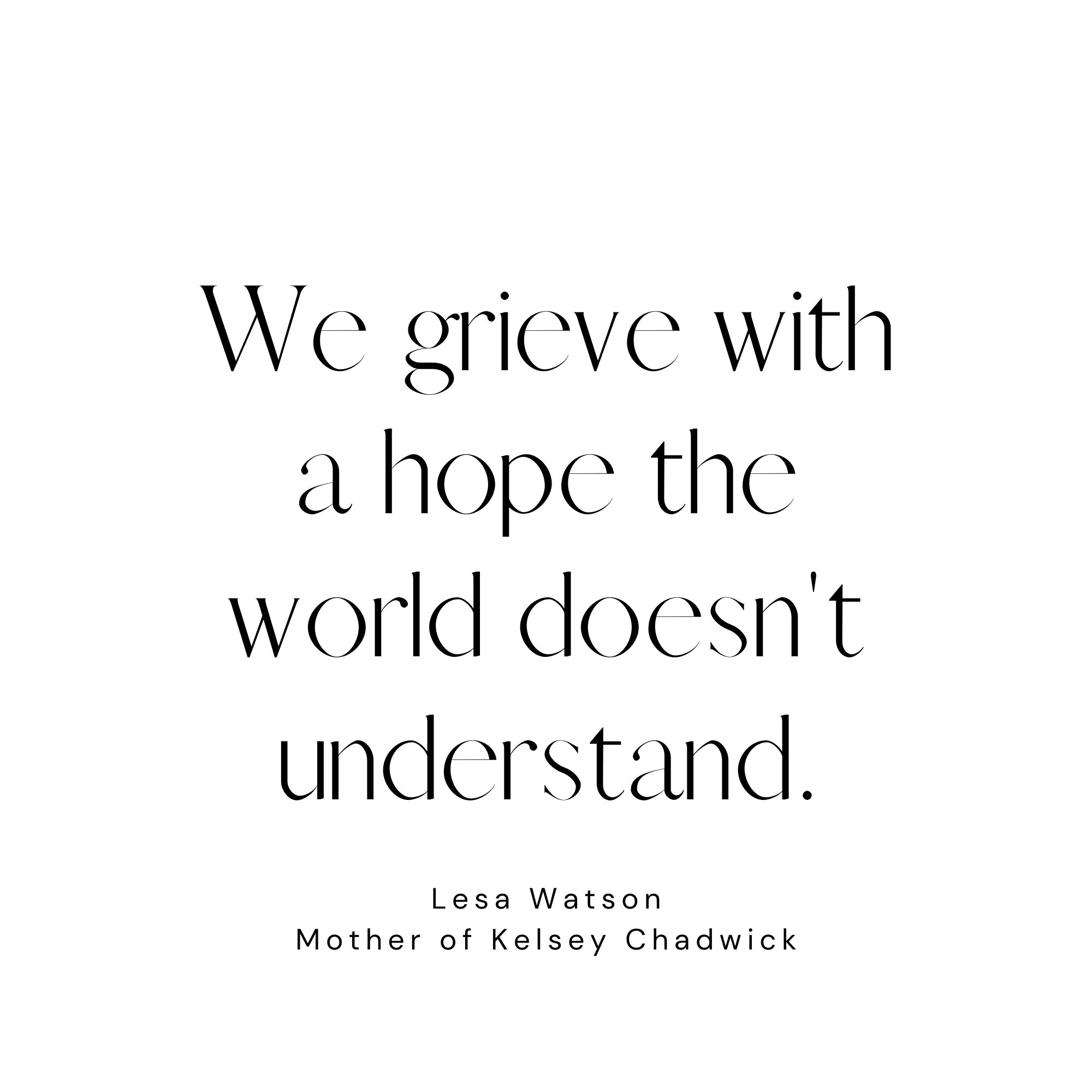
“We grieve,” Lesa said, “as the Bible says, with a hope that the world doesn’t understand.”
She has also leaned on something she built long before the hard days arrived: years of studying the character of God. In the early days of grief, sometimes she would open her Bible and the words just wouldn’t sink in. But she knew who God was. She knew he was faithful, sovereign, holy, good, merciful, full of grace, full of justice. That knowledge held her when specific verses couldn’t reach her.
Romans 8:28 and Psalm 31:14 are verses that deeply comfort Lesa. “My times are in your hands,” and other verses are written out and posted in her home where she will see them in the ordinary moments of every day.
She wants the same for anyone reading this: not a formula, but a foundation. Not easy answers, but a God who is genuinely trustworthy and the deep-rooted knowledge of who he is before the hard season arrives.
A Habit of Hope to Carry This Week
One of the most practical things Lesa shared was her practice of studying the character of God, something she developed long before losing Kelsey and held on to after.
Not a verse to memorize under pressure. Not a prayer in crisis. Just a steady, ordinary habit of returning to who he is.
This week’s Habit of Hope: Spend five minutes writing down three attributes of God’s character. Not a prayer request, not a passage you’re trying to remember, just who he is. Put it somewhere you’ll see it. Let the knowledge of his character be what holds you before the hard day arrives.
Kelsey Wrote This for You
Kelsey wrote this book in the middle of her own unanswered questions. She didn’t wait until she had it all figured out. She brought what she had, her doubt, her faith, her Word, her pen, and she wrote toward the light.
The result is a book that will meet you honestly wherever you are.
Where Else Could I Go? Embracing God When You’re Doubting Everything is available wherever books are sold. [Link to purchase.]
If this story moved you, share it with someone who is carrying quiet questions of their own.
A woman who spent her last year wrestling with doubt used her last breath to tell strangers that Jesus loved them. That is not the faith of someone who lost. That is the faith of someone who had questions and found exactly what she was looking for. She left the map behind for the rest of us.
Her name was Kelsey.
And her hope is still speaking.
Listen to or watch the full conversation with Lesa Watson on the Habits of Hope podcast, Episode 80.
A Summer Announcement
As I listened to Kelsey’s story, I was reminded once again that life is rarely simple. In a single season, we may find ourselves carrying grief and gratitude, sorrow and joy, loss and blessing.
One of the gifts of faith is learning to trust God with all of it—the hard places and the beautiful ones, the prayers we still carry and the blessings we hold in our hands today.
With that in mind, I wanted to share a brief personal update.
Habits of Hope will be taking a short summer break.
We’ve already welcomed one precious grandbaby into our family this week, and another is expected soon. I’ll be spending the next several weeks supporting my daughters and soaking up this special season as Gigi.
Thank you for being part of the Habits of Hope community. While we’re away, I hope you’ll explore the podcast archive, revisit a favorite episode, or catch up on one you’ve missed. At the end of this post you’ll find related content and a list of favorite content from my archives to enjoy.
I’ll stay in touch through email from time to time and look forward to reconnecting with you later this summer.
Until then, may God renew your strength and fill your heart with hope.
Related Content
- Finding Strength in God When You Feel Weak (Isaiah 40:29-31)
- How to Find Hope After Trauma | Jennifer Hand on Faith, Healing, and Survival Mode
- How the Holy Spirit Comforts You in Hard Times (What the Bible Says)
- How to Find God’s Peace that Guards Your Heart (A Study of Philippians 4:7)
- Overcome Doubt with the Decision to Turn to God for Hope (Podcast Episode 4)
Reader/Listener Favorites
- Podcast: How to Ignite Hope by Noticing God’s Faithfulness Every Day
- Podcast: What We’re Doing in Our Quiet Time Right Now: Daily Devotion Tips
- Making Big Decisions with Faith: How to Seek God’s Guidance Daily
- How to Love Others Like Jesus: Actionable Steps for Everyday Life
- How to Hear God’s Voice: Simple Habits to Deepen Your Faith and Restore Your Hope

How to Wait on the Lord and Receive New Strength — Even When Hope Feels Gone
Feeling weary and wondering where strength comes from? Discover what Isaiah 40:29–31 really means and how to wait on the Lord to receive new strength.
Have you ever found yourself in a moment where you don’t have the strength you need?
Not the kind you can push through with determination or fix with a better plan. But the kind where your soul feels tired. Grief lingers, disappoint hangs heavy, or exhaustion stops you in your tracks.
When the next step feels harder than it should, one question rises. Where does strength come from when mine is gone?
That’s not a small question. And it deserves more than a small answer.
God’s Promise Was Written for Weary People
Isaiah 40 was written to people who had been through years of hardship, uncertainty, and long seasons of waiting. God didn’t offer a checklist or a correction. He offered a promise:
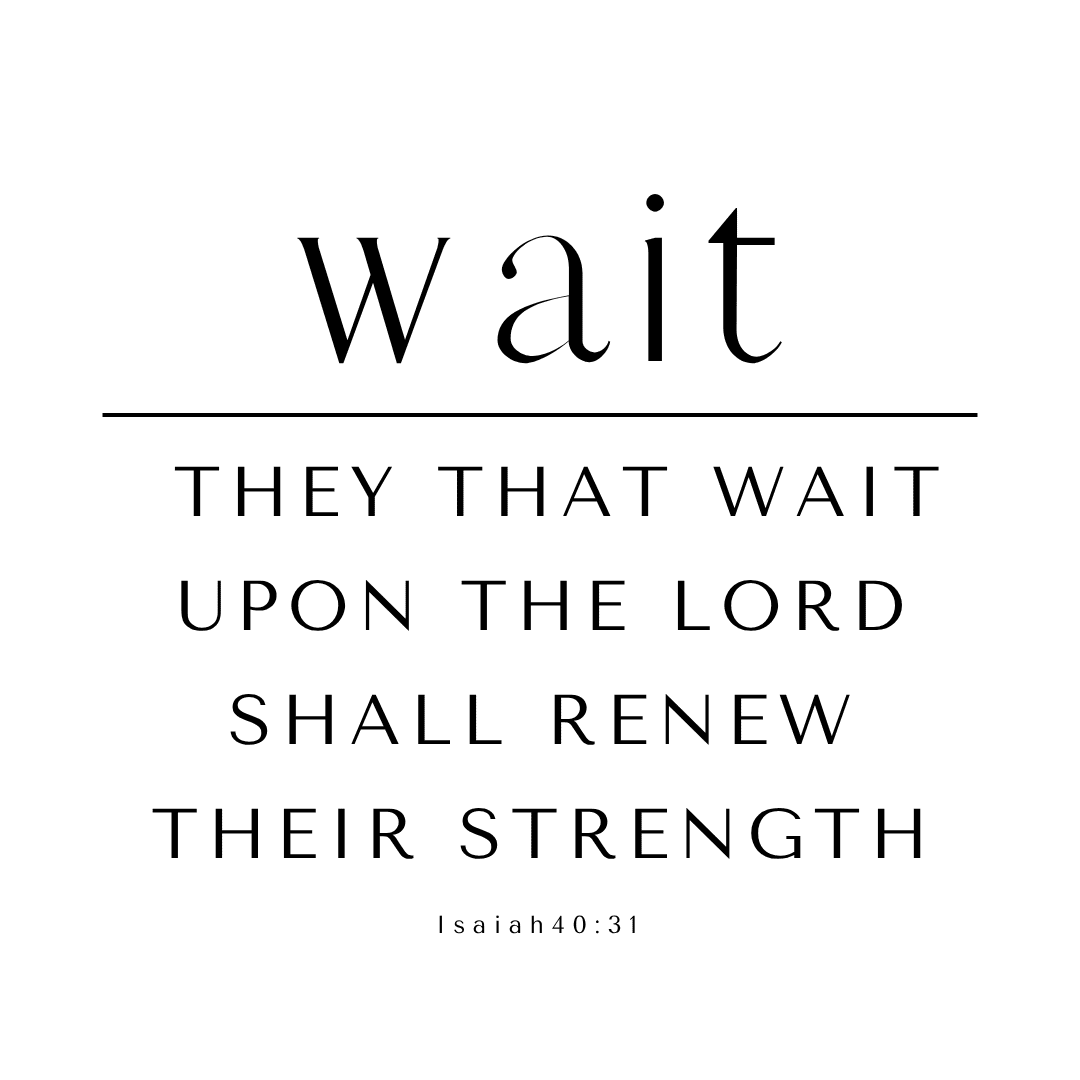
“He gives strength to the weary and increases the power of the weak. Even youths grow tired and weary, and young men stumble and fall; but those who wait on the Lord will renew their strength. They will soar on wings like eagles; they will run and not grow weary, they will walk and not be faint.” — Isaiah 40:29–31
Notice who this promise is for. Not the strong. Not the self-sufficient. Not the ones who have already figured it out. It’s for the ones who know they don’t have what it takes. The ones who are struggling.
Which means this promise isn’t for when you have it all together.
It’s for exactly the moments when you don’t.
What Does It Really Mean to Wait on the Lord?
This is where everything in the passage turns and where we often get it wrong.
Waiting doesn’t mean doing nothing. In the original Hebrew, the word for wait carries the meaning to hope, to expect, to look for, to eagerly anticipate — even to bind yourself to something.
We’re all waiting for something. We wait for answers, healing, direction, relief, restoration. The question isn’t, are you waiting? The real question is what are you attaching your hope to while you wait?
Waiting whispers, I don’t have the answer.
Hope declares, but I trust the One who does.
Waiting complains, this is taking longer than I want.
Hope remembers, God is still at work in ways I can’t see.
Waiting groans, I’m too weak for this.
Hope believes, God promises strength to the weak.
When we separate waiting from hope, waiting feels empty.
We don’t like being in the waiting rooms of life. We want progress now and yesterday would be even better. When waiting is rooted in hope, it becomes a place of expectation.
Jackie Banas-Shank called hope the habit of permanent expectancy. This reminds me to trust God, rather than trying to fix and solve my way through challenges.
When we wait with this kind of hope, we’re not asking if God will answer. We’re asking when.
This is a very different kind of waiting.
Strength Is Renewed, Not Manufactured
Our culture convinces us we should be able to make ourselves strong.
We know how physical strength works — you put in the reps, you train the muscle, you build capacity over time. But Isaiah isn’t talking about that kind of strength.
The word renew here carries the idea of putting on fresh strength again and again. It is not about pulling yourself up by the bootstraps but receiving something new from God.
Fresh strength. Strength that doesn’t originate in you but is a provision of God.
Larissa came to this conversation carrying fresh grief. Just days earlier she had said goodbye to her faithful dog — the companion who had been with her through her hardest seasons, including the years since losing her husband.
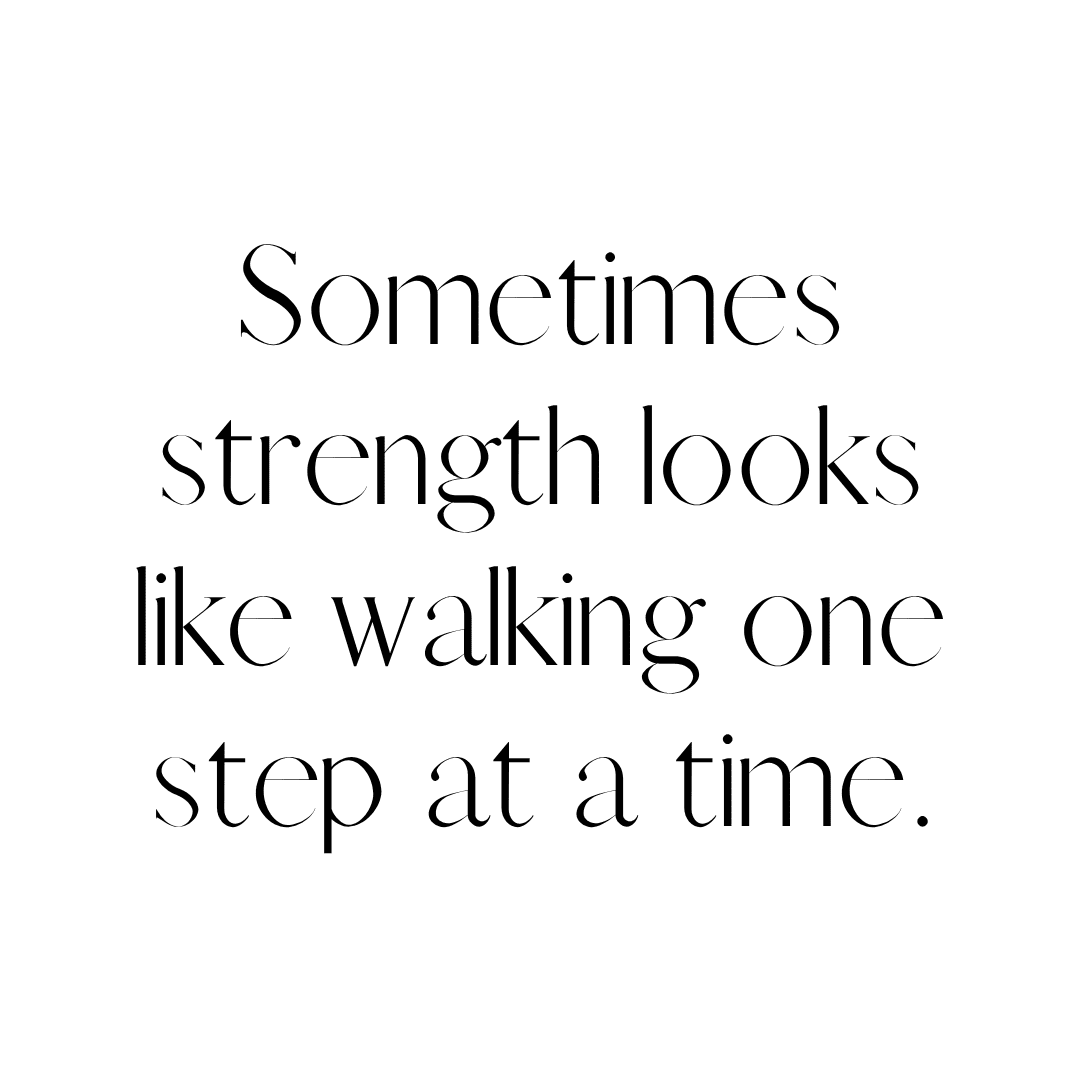
And what she said hit home: “Not every season is soaring. Sometimes strength looks like running forward with endurance. And sometimes strength simply looks like walking one step at a time and not giving up. That’s kind of where I’m at.”
Not every season is an eagle moment of soaring.
Sometimes faithfulness looks like walking and not giving up. And that, Isaiah says, is what renewed strength looks like too. God meets us in the walking and in the soaring.
Why We Miss the Strength God Is Offering
If God promises strength to those who wait on Him, why do we so often still feel depleted?
It’s not because He is withholding or reneging on His promise. More often, it’s we’ve turned our attention to other things. Here are the places I see this happen — and I recognize every single one of them in my own life.
- We rush ahead instead of wait. We want relief now, clarity before the next step. Instead of waiting on God, we move ahead of Him fixing, figuring out, forcing what only He can provide. Before long we’re exhausted. Not because we’ve done too little, but because we’ve been carrying what was never ours to carry.
- We strive instead of trust. This one is subtle. Striving can look like planning, preparing, staying ahead of every possible problem. The anxious heart tries to live in tomorrow instead of today. We want a plan for every outcome, to think of everything that could go wrong. This is a form of striving that drains us. Then we wonder why we’re so tired when we’ve been working so hard.
- We disconnect instead of draw near. When we’re tired, grieving, or discouraged, the natural impulse isn’t always to move toward God. Sometimes we withdraw. We numb out. We binge something. We distract ourselves until the feeling passes. Intimacy with God comes when we bring it all to Him, not when we bring our best self to Him. He can handle the whole mess of us.
- We resist surrender. Waiting on God requires letting go of our timelines, our expectations, our it must be this way thoughts. It means releasing our need to understand, as well as our desire to control the outcome.
- We lose sight of hope while we wait. We’re still waiting, but we’ve stopped hoping. Nothing is ever going to change. This will always feel this way. God must not be working. Our waiting becomes empty rather than expectant. And an empty wait is exhausting in a way that an expectant wait never is.
The problem isn’t that God isn’t giving strength. It’s that we’re often looking somewhere else for it. We think things like, if I just try harder, if I stay strong, if I hold it all together, I’ll get through.
But scripture is clear here. God gives strength to the weak. If we’re determined to be self-sufficient, we might just miss the strength that he is offering. But the moment we turn back to Him; we begin to receive what He’s been offering all along.
How to Receive God’s Strength
Picture this. Your hands are full. Someone offers you a gift. You can’t receive it. Not easily. Not without setting something down first.
But if you set it down and open your hands — then you’re ready. Your hands are empty, open, and ready to receive what’s being offered.
Waiting on God often looks like that. Setting something down. Opening your hands. Releasing the has to be this way so your hands are free to receive what He’s giving.
So much of what we pray about, the Lord does answer. But sometimes He waits on us to loosen our grip first.
Open hands receive what clenched fists cannot.
What Waiting on the Lord Actually Looks Like in Real Life
Waiting on the Lord isn’t one single action. It’s a posture, a mindset, a way of thinking and believing and trusting that we return. Here are some of the shapes it takes in real life. As you read, notice which one meets you where you are today.
Waiting can look like prayer. Sometimes a full sentence, sometimes a whisper, sometimes just a groan your soul offers when words won’t come. God, I need Your strength. I need what only You can provide. Waiting begins when we turn toward Him.
Waiting can look like a posture. Bowing your head. Sitting still for a moment. Opening your hands. These small physical and spiritual postures help refocus our attention on God.
Waiting can look like letting go. Releasing an expectation. Setting down a timeline. Choosing to trust Him with the outcome instead of carrying it yourself. Releasing the need to have everything figured out, gives God the space to work in ways you can’t yet see. This is where waiting is hardest — and where it does its deepest work.
Waiting can look like simple willingness. Waiting can look like simple willingness. Not dramatic. Not heroic. Just a quiet yes. Yes, to waiting longer than feels fair. Yes, to a different answer than you hoped for. Yes, to something new. Yes, to trusting God even when you don’t understand. Sometimes that simple willingness is the most faithful thing we can offer.
Waiting can look like activity. Showing up. Staying faithful. Doing the next right thing, and then the next. Active waiting is still waiting. The everyday faithfulness of small things — that’s not the absence of strength. That’s strength at work.
None of these require that you feel strong first. They simply position your heart to receive strength from the Lord. And that is exactly what makes this a habit of hope.
This Week’s Habit of Hope
Choose one simple way to turn toward God today and trust Him to renew your strength, one step at a time.
It might be a quiet prayer when you feel overwhelmed. A moment of stillness before you reach for your phone. Releasing one expectation you’ve been holding too tightly. Choosing to trust God with something you don’t understand. Simply doing the next right thing in front of you.
Not all six. Just one. And then tomorrow, one more.
For the Weary and the Waiting
Friend, if you are in a season where your strength feels low and your hope feels thin, I want you to hear this.
God is not asking you to be strong enough for what you’re facing. He is asking something simpler. And harder. Trust Him to give what you need.
Not strength for the whole road, but strength for the next step.
Whether you’re soaring right now, running hard, or just barely walking — you are not alone. God is with you, and He is your strength.
Stay close to the One who gives strength to the weary. Return to Him again and again — in the soaring seasons and the walking ones, in the wrestling and the waiting. One small step, one quiet decision of faith at a time. Because hope is always our best habit.
FAQ About How to Wait on the Lord
What does it mean to wait on the Lord? Waiting on the Lord is not passive delay. In the original Hebrew, the word for wait carries the meaning to hope, to expect, to eagerly anticipate, even to bind yourself to something. It is active, anchored hope — choosing to trust God’s faithfulness while you are still in the middle of not knowing.
What does Isaiah 40:29-31 mean? Isaiah 40:29-31 is a promise written to weary people — not the strong or self-sufficient, but those who know they don’t have what it takes. The progression in the passage — soar, run, walk — reminds us that renewed strength doesn’t always look like an eagle moment. Sometimes it looks like walking one faithful step at a time. God meets us there too.
How do I find strength in God when I feel weak? Start by turning toward God rather than away from Him. Waiting can look like prayer, letting go of what you’re gripping too tightly, simple willingness, or doing the next right thing in front of you. None of these require that you feel strong first. They simply position your heart to receive what God has already promised to give.
What is the difference between waiting and hoping in the Bible? In Hebrew, the words are deeply connected. Waiting without hope feels empty and frustrating. But waiting rooted in hope becomes a posture of expectation — we stop asking if God will show up and start trusting when. Hope is what transforms waiting from something we endure into the place where strength begins to grow.
This post is based on Episode 79 of the Habits of Hope Podcast. Listen to the full conversation with Ginger Harrington and Larissa Traquair — including Larissa’s moving reflection on grief, loss, and what it looks like to wait on God in real time.
Author Bio
Ginger Harrington is the host of the Habits of Hope Podcast and author of Holy in the Moment. Through biblical encouragement and practical spiritual rhythms, she helps women cultivate deeper faith and resilient hope for everyday life
Related Content
- Why Small Habits Matter More than You Think (Faithfulness in Everyday Life)
- How to Stand on the Armor of God Right Now
- Armor of God Prayer (Free Printable and Daily Prayer Guide)
- Hope Beneath the Rubble:Finding Healing After Trauma with Jenn Hand
- What to Do When You Long for God to Speak to You
- Can Waiting for God Be a Good Thing?