Feeling weary and wondering where strength comes from? Discover what Isaiah 40:29–31 really means and how to wait on the Lord to receive new strength.
Have you ever found yourself in a moment where you don’t have the strength you need?
Not the kind you can push through with determination or fix with a better plan. But the kind where your soul feels tired. Grief lingers, disappoint hangs heavy, or exhaustion stops you in your tracks.
When the next step feels harder than it should, one question rises. Where does strength come from when mine is gone?
That’s not a small question. And it deserves more than a small answer.
God’s Promise Was Written for Weary People
Isaiah 40 was written to people who had been through years of hardship, uncertainty, and long seasons of waiting. God didn’t offer a checklist or a correction. He offered a promise:
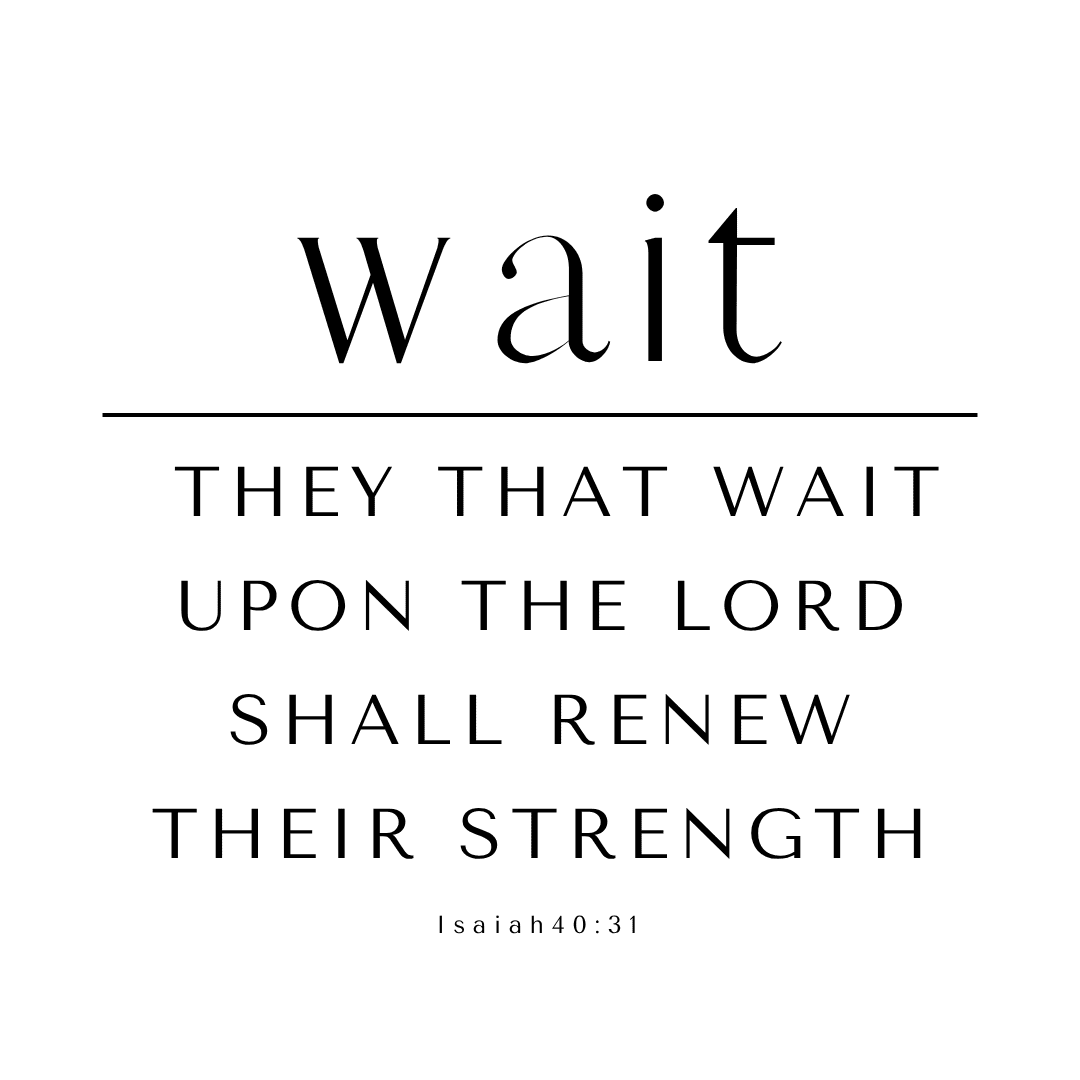
“He gives strength to the weary and increases the power of the weak. Even youths grow tired and weary, and young men stumble and fall; but those who wait on the Lord will renew their strength. They will soar on wings like eagles; they will run and not grow weary, they will walk and not be faint.” — Isaiah 40:29–31
Notice who this promise is for. Not the strong. Not the self-sufficient. Not the ones who have already figured it out. It’s for the ones who know they don’t have what it takes. The ones who are struggling.
Which means this promise isn’t for when you have it all together.
It’s for exactly the moments when you don’t.
What Does It Really Mean to Wait on the Lord?
This is where everything in the passage turns and where we often get it wrong.
Waiting doesn’t mean doing nothing. In the original Hebrew, the word for wait carries the meaning to hope, to expect, to look for, to eagerly anticipate — even to bind yourself to something.
We’re all waiting for something. We wait for answers, healing, direction, relief, restoration. The question isn’t, are you waiting? The real question is what are you attaching your hope to while you wait?
Waiting whispers, I don’t have the answer.
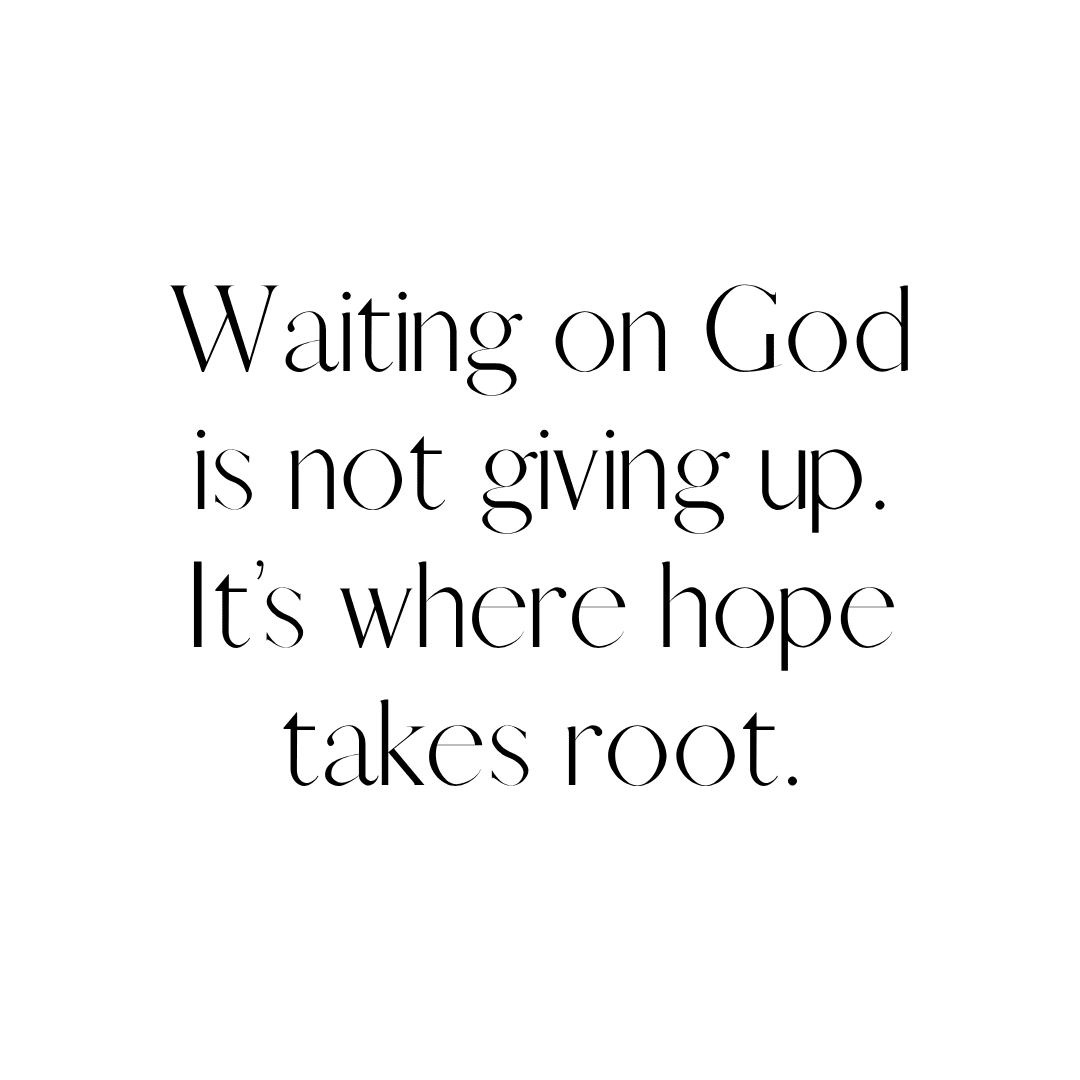
Hope declares, but I trust the One who does.
Waiting complains, this is taking longer than I want.
Hope remembers, God is still at work in ways I can’t see.
Waiting groans, I’m too weak for this.
Hope believes, God promises strength to the weak.
When we separate waiting from hope, waiting feels empty.
We don’t like being in the waiting rooms of life. We want progress now and yesterday would be even better. When waiting is rooted in hope, it becomes a place of expectation.
Jackie Banas-Shank called hope the habit of permanent expectancy. This reminds me to trust God, rather than trying to fix and solve my way through challenges.
When we wait with this kind of hope, we’re not asking if God will answer. We’re asking when.
This is a very different kind of waiting.
Strength Is Renewed, Not Manufactured
Our culture convinces us we should be able to make ourselves strong.
We know how physical strength works — you put in the reps, you train the muscle, you build capacity over time. But Isaiah isn’t talking about that kind of strength.
The word renew here carries the idea of putting on fresh strength again and again. It is not about pulling yourself up by the bootstraps but receiving something new from God.
Fresh strength. Strength that doesn’t originate in you but is a provision of God.
Larissa came to this conversation carrying fresh grief. Just days earlier she had said goodbye to her faithful dog — the companion who had been with her through her hardest seasons, including the years since losing her husband.
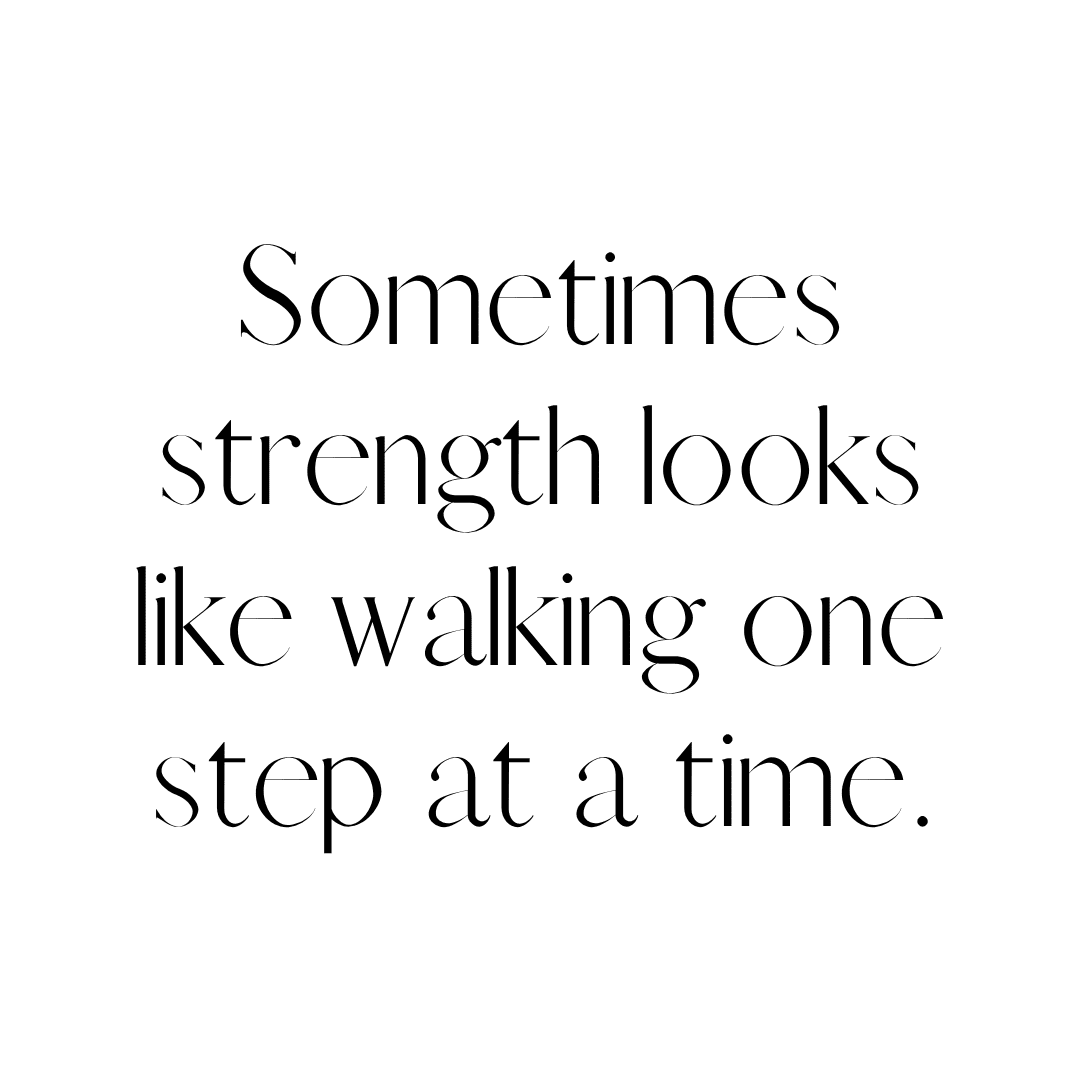
And what she said hit home: “Not every season is soaring. Sometimes strength looks like running forward with endurance. And sometimes strength simply looks like walking one step at a time and not giving up. That’s kind of where I’m at.”
Not every season is an eagle moment of soaring.
Sometimes faithfulness looks like walking and not giving up. And that, Isaiah says, is what renewed strength looks like too. God meets us in the walking and in the soaring.
Why We Miss the Strength God Is Offering
If God promises strength to those who wait on Him, why do we so often still feel depleted?
It’s not because He is withholding or reneging on His promise. More often, it’s we’ve turned our attention to other things. Here are the places I see this happen — and I recognize every single one of them in my own life.
- We rush ahead instead of wait. We want relief now, clarity before the next step. Instead of waiting on God, we move ahead of Him fixing, figuring out, forcing what only He can provide. Before long we’re exhausted. Not because we’ve done too little, but because we’ve been carrying what was never ours to carry.
- We strive instead of trust. This one is subtle. Striving can look like planning, preparing, staying ahead of every possible problem. The anxious heart tries to live in tomorrow instead of today. We want a plan for every outcome, to think of everything that could go wrong. This is a form of striving that drains us. Then we wonder why we’re so tired when we’ve been working so hard.
- We disconnect instead of draw near. When we’re tired, grieving, or discouraged, the natural impulse isn’t always to move toward God. Sometimes we withdraw. We numb out. We binge something. We distract ourselves until the feeling passes. Intimacy with God comes when we bring it all to Him, not when we bring our best self to Him. He can handle the whole mess of us.
- We resist surrender. Waiting on God requires letting go of our timelines, our expectations, our it must be this way thoughts. It means releasing our need to understand, as well as our desire to control the outcome.
- We lose sight of hope while we wait. We’re still waiting, but we’ve stopped hoping. Nothing is ever going to change. This will always feel this way. God must not be working. Our waiting becomes empty rather than expectant. And an empty wait is exhausting in a way that an expectant wait never is.
The problem isn’t that God isn’t giving strength. It’s that we’re often looking somewhere else for it. We think things like, if I just try harder, if I stay strong, if I hold it all together, I’ll get through.
But scripture is clear here. God gives strength to the weak. If we’re determined to be self-sufficient, we might just miss the strength that he is offering. But the moment we turn back to Him; we begin to receive what He’s been offering all along.
How to Receive God’s Strength
Picture this. Your hands are full. Someone offers you a gift. You can’t receive it. Not easily. Not without setting something down first.
But if you set it down and open your hands — then you’re ready. Your hands are empty, open, and ready to receive what’s being offered.
Waiting on God often looks like that. Setting something down. Opening your hands. Releasing the has to be this way so your hands are free to receive what He’s giving.
So much of what we pray about, the Lord does answer. But sometimes He waits on us to loosen our grip first.
Open hands receive what clenched fists cannot.
What Waiting on the Lord Actually Looks Like in Real Life
Waiting on the Lord isn’t one single action. It’s a posture, a mindset, a way of thinking and believing and trusting that we return. Here are some of the shapes it takes in real life. As you read, notice which one meets you where you are today.
Waiting can look like prayer. Sometimes a full sentence, sometimes a whisper, sometimes just a groan your soul offers when words won’t come. God, I need Your strength. I need what only You can provide. Waiting begins when we turn toward Him.
Waiting can look like a posture. Bowing your head. Sitting still for a moment. Opening your hands. These small physical and spiritual postures help refocus our attention on God.
Waiting can look like letting go. Releasing an expectation. Setting down a timeline. Choosing to trust Him with the outcome instead of carrying it yourself. Releasing the need to have everything figured out, gives God the space to work in ways you can’t yet see. This is where waiting is hardest — and where it does its deepest work.
Waiting can look like simple willingness. Waiting can look like simple willingness. Not dramatic. Not heroic. Just a quiet yes. Yes, to waiting longer than feels fair. Yes, to a different answer than you hoped for. Yes, to something new. Yes, to trusting God even when you don’t understand. Sometimes that simple willingness is the most faithful thing we can offer.
Waiting can look like activity. Showing up. Staying faithful. Doing the next right thing, and then the next. Active waiting is still waiting. The everyday faithfulness of small things — that’s not the absence of strength. That’s strength at work.
None of these require that you feel strong first. They simply position your heart to receive strength from the Lord. And that is exactly what makes this a habit of hope.
This Week’s Habit of Hope
Choose one simple way to turn toward God today and trust Him to renew your strength, one step at a time.
It might be a quiet prayer when you feel overwhelmed. A moment of stillness before you reach for your phone. Releasing one expectation you’ve been holding too tightly. Choosing to trust God with something you don’t understand. Simply doing the next right thing in front of you.
Not all six. Just one. And then tomorrow, one more.
For the Weary and the Waiting
Friend, if you are in a season where your strength feels low and your hope feels thin, I want you to hear this.
God is not asking you to be strong enough for what you’re facing. He is asking something simpler. And harder. Trust Him to give what you need.
Not strength for the whole road, but strength for the next step.
Whether you’re soaring right now, running hard, or just barely walking — you are not alone. God is with you, and He is your strength.
Stay close to the One who gives strength to the weary. Return to Him again and again — in the soaring seasons and the walking ones, in the wrestling and the waiting. One small step, one quiet decision of faith at a time. Because hope is always our best habit.
https://youtu.be/SMtLtZZonDY
FAQ About How to Wait on the Lord
What does it mean to wait on the Lord? Waiting on the Lord is not passive delay. In the original Hebrew, the word for wait carries the meaning to hope, to expect, to eagerly anticipate, even to bind yourself to something. It is active, anchored hope — choosing to trust God’s faithfulness while you are still in the middle of not knowing.
What does Isaiah 40:29-31 mean? Isaiah 40:29-31 is a promise written to weary people — not the strong or self-sufficient, but those who know they don’t have what it takes. The progression in the passage — soar, run, walk — reminds us that renewed strength doesn’t always look like an eagle moment. Sometimes it looks like walking one faithful step at a time. God meets us there too.
How do I find strength in God when I feel weak? Start by turning toward God rather than away from Him. Waiting can look like prayer, letting go of what you’re gripping too tightly, simple willingness, or doing the next right thing in front of you. None of these require that you feel strong first. They simply position your heart to receive what God has already promised to give.
What is the difference between waiting and hoping in the Bible? In Hebrew, the words are deeply connected. Waiting without hope feels empty and frustrating. But waiting rooted in hope becomes a posture of expectation — we stop asking if God will show up and start trusting when. Hope is what transforms waiting from something we endure into the place where strength begins to grow.
This post is based on Episode 79 of the Habits of Hope Podcast. Listen to the full conversation with Ginger Harrington and Larissa Traquair — including Larissa’s moving reflection on grief, loss, and what it looks like to wait on God in real time.
Author Bio
Ginger Harrington is the host of the Habits of Hope Podcast and author of Holy in the Moment. Through biblical encouragement and practical spiritual rhythms, she helps women cultivate deeper faith and resilient hope for everyday life
Related Content
- Why Small Habits Matter More than You Think (Faithfulness in Everyday Life)
- How to Stand on the Armor of God Right Now
- Armor of God Prayer (Free Printable and Daily Prayer Guide)
- Hope Beneath the Rubble:Finding Healing After Trauma with Jenn Hand
- What to Do When You Long for God to Speak to You
- Can Waiting for God Be a Good Thing?
 So glad you're here. I help busy women—gals like you— build healthy habits for living well with biblical wisdom and practical steps to deepen your faith, increase your hope, and thrive in your purpose.